On November 29th, the inaugural Higher Education Forum of Eastern Institute of Technology, Ningbo, was grandly held in the Library Auditorium. Leaders from over 40 universities across China and abroad gathered around the core theme of Global Transformation and University Development, sharing the mission of universities, contributing academic insights, and jointly planning for the future.
Convened as a pivotal segment of EIT's founding ceremony, this forum brought together eminent leaders and scholars who shared a collective vision of a promising future for EIT.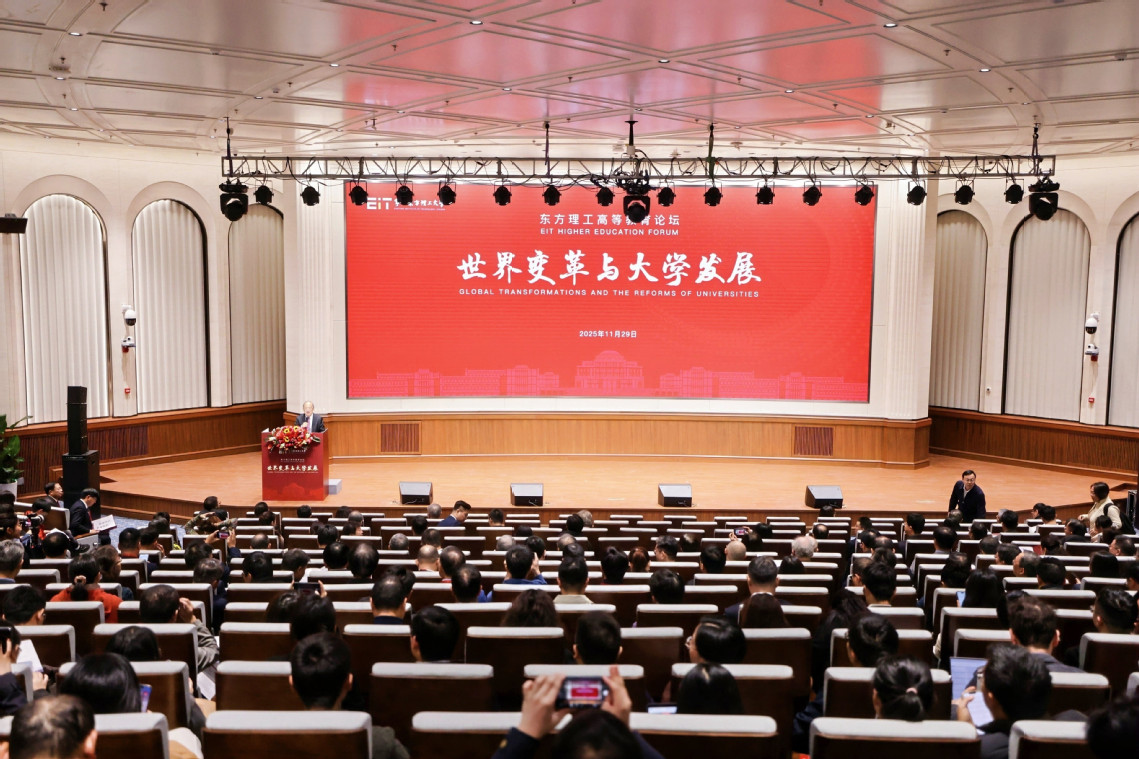
EIT Higher Education Forum
Defining the "Eastern" Mission in a Century of Transformation
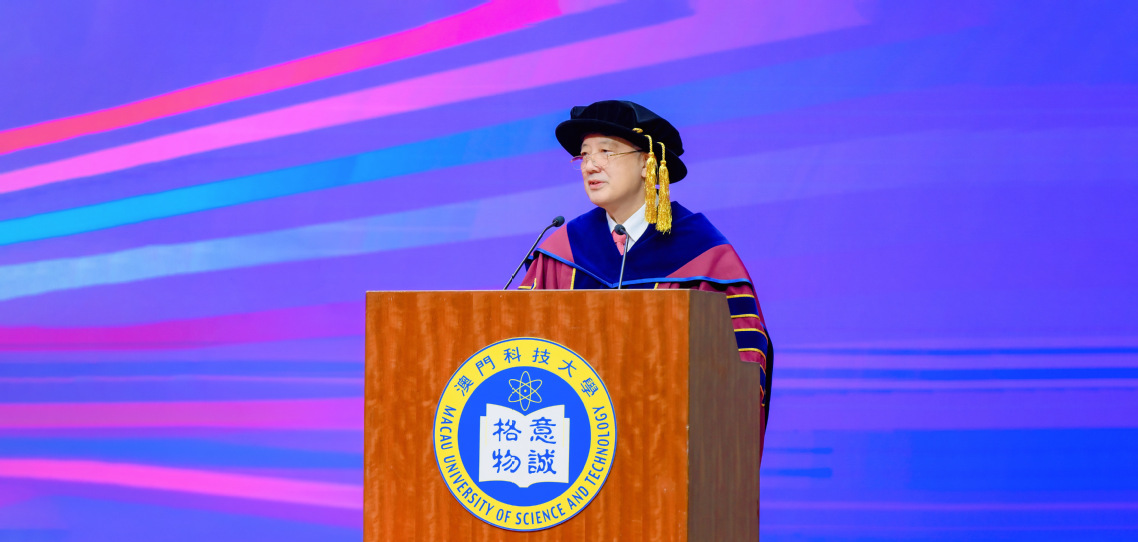
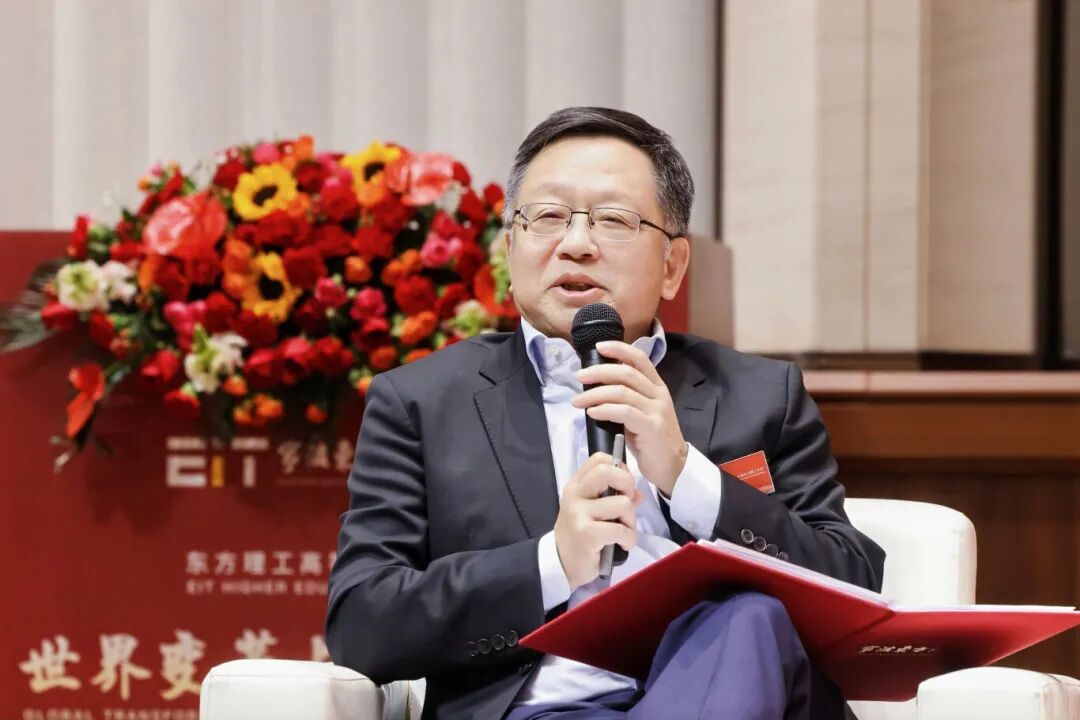
"This is an era of profound changes unseen in a century," stated President Shiyi Chen. He pointed out that disruptive technologies, represented by artificial intelligence and quantum science, are reshaping industries with unprecedented force. Confronted with these changes, he posed the questions of our time for collective reflection: "How do we cultivate top-notch innovative talents amidst these changes? How do we seize the initiative in innovation during this transformation? How do we demonstrate unique values amidst competition?"
President Shiyi Chen believes that the functions of modern universities have expanded into broader dimensions, including leading innovation, serving society, and addressing global challenges. It is precisely against this backdrop that EIT was established. EIT will adhere to its positioning of "High-Caliber Foundation, Compact yet Distinguished, Research Oriented, and Globally Engaged," aiming to contribute to China's higher education and the development of human society for a generation.
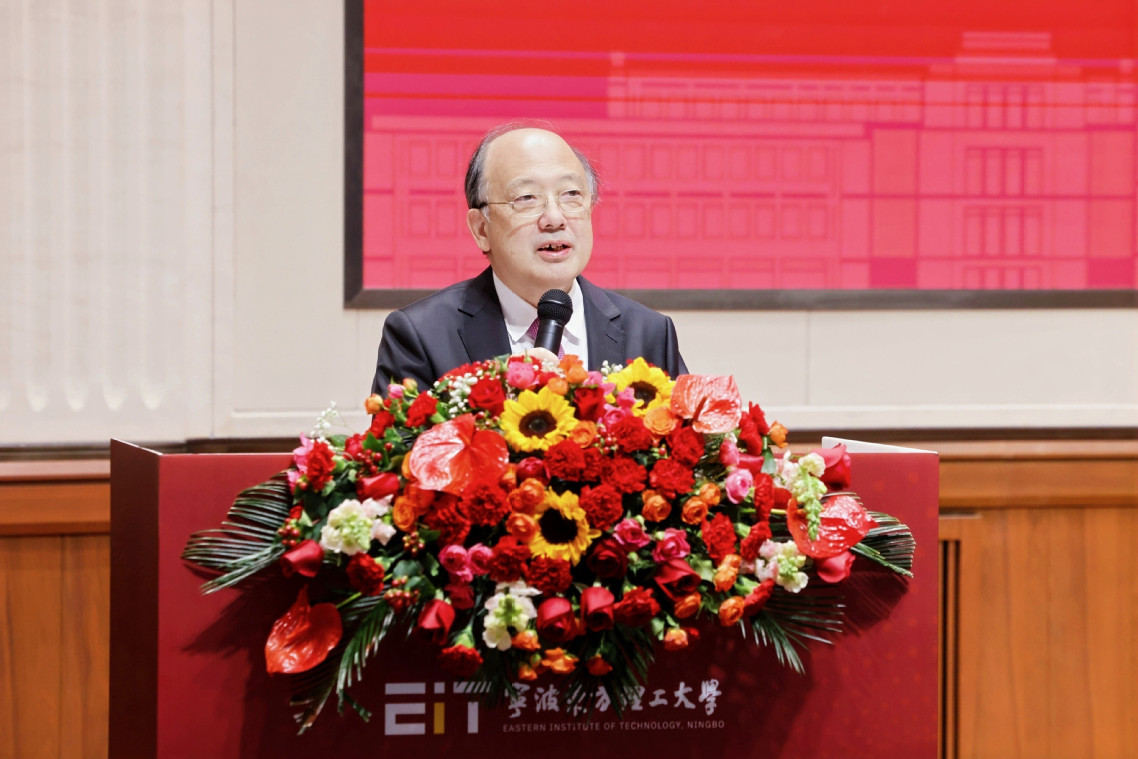
Opening Remarks by President Shiyi Chen
Acting as a "Spark" for Chinese Higher Education
In the first keynote session presided over by President Shucai Li of Shandong University, three university presidents and renowned figures in higher education shared their reflections on the theme "Innovation and Governance in Higher Education Under Technological Transformation."
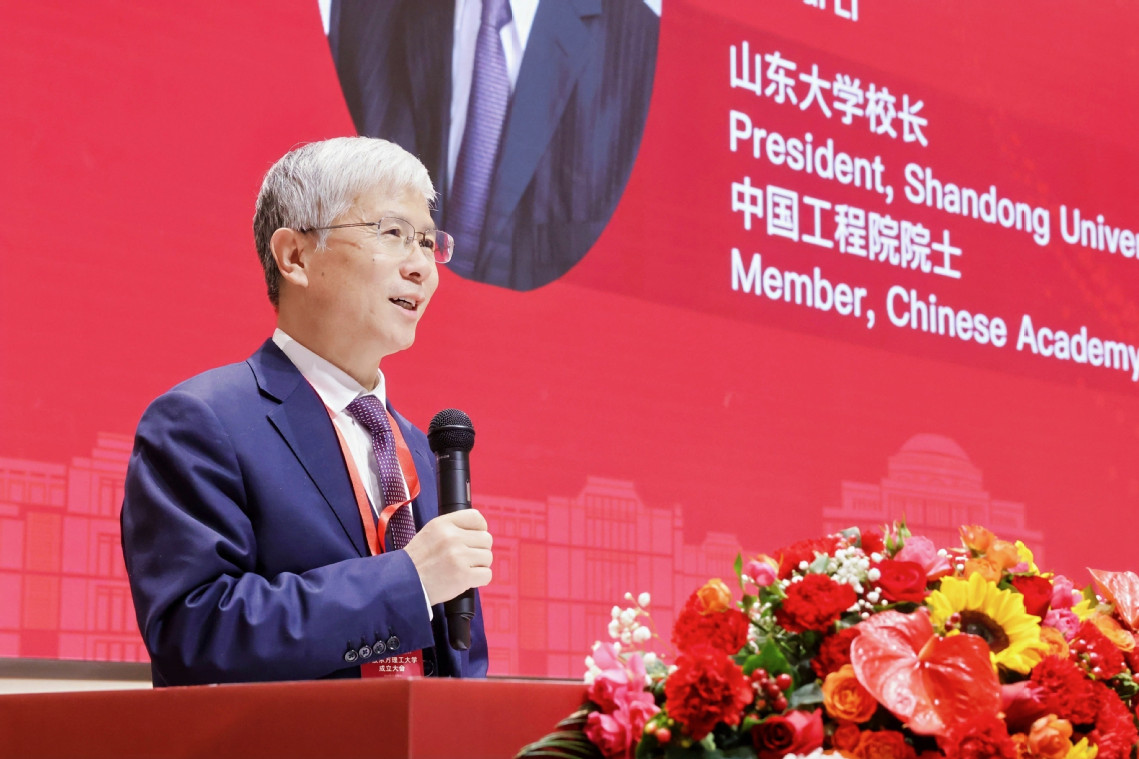
Presided over by Shucai Li
"What does emerging research university refer to? Is it new in terms of timing, emerging, or being of a new model?"
Jianhua Lin, Former President of Peking University, argued that the "newness" lies not in chronological order but in breakthroughs at the institutional level. He noted that facing the challenges in Chinese higher education, optimizing governance structures is fundamental. Emerging research universities should establish a governance system that unleashes creative potential, stimulates innovation vitality, and enhances academic autonomy, becoming pioneers and exemplars of China's educational reform.
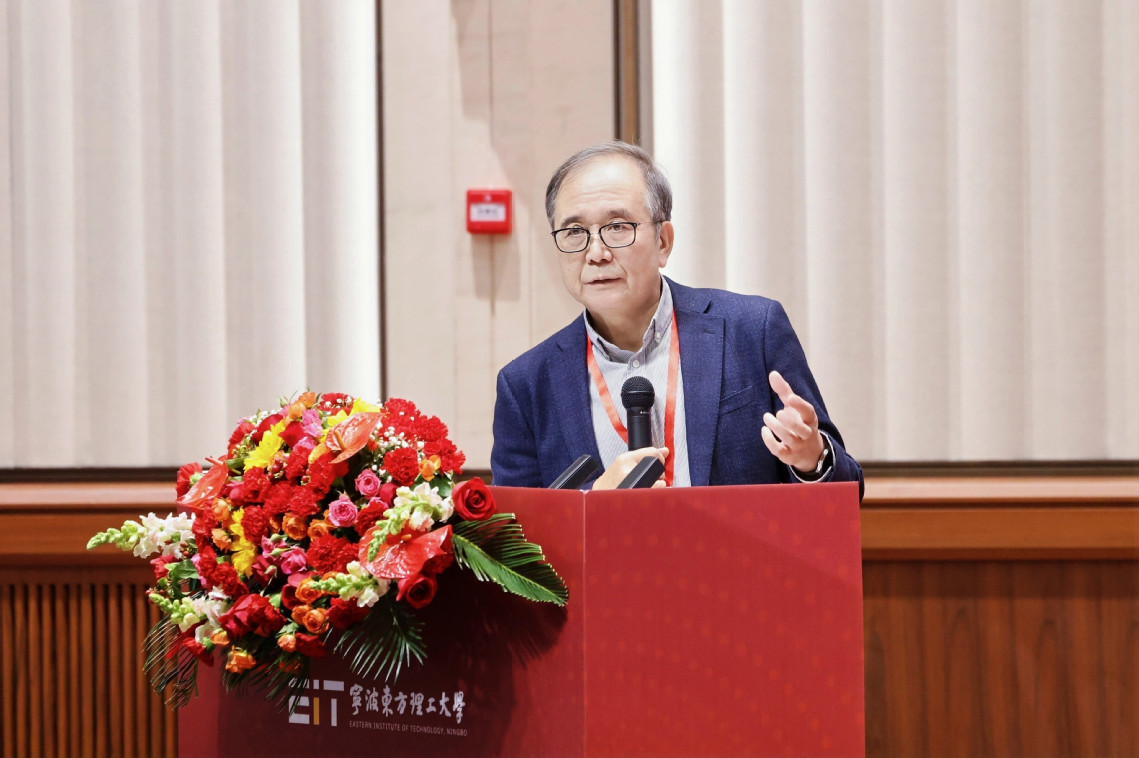
Jianhua Lin delivering a keynote address
President Yigong Shi of Westlake University shared explorations of emerging research universities under the drive of technological transformation from three aspects: reform and innovation, pursuit of excellence, and collaboration and openness.
"Through the joint efforts of founders, Westlake University abandoned quantitative metrics and established an innovation-oriented evaluation standard for scientific research, focusing solely on whether research outcomes are indispensable in their respective fields," President Yigong Shi stated. He emphasized that emerging research universities should play the roles of "catalyst" and "spark", igniting the immense potential of China's top universities.
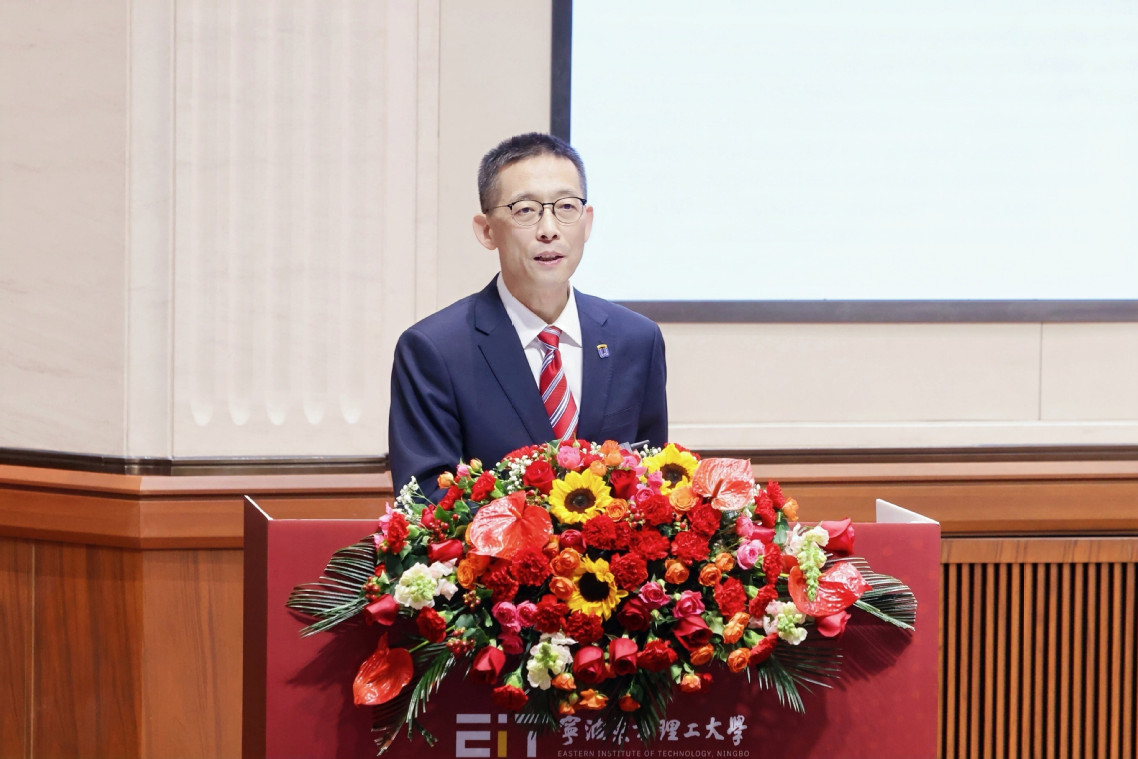
Yigong Shi delivering a keynote address
President Junfa Mao of Shenzhen University brought the "Shenzhen Experience" rooted in the Special Economic Zone. He introduced Shenzhen University's "1+4+X" reform strategy and its high-intensity incentives for technology transfer, showcasing the powerful dynamism of a "University of the Special Economic Zone" resonating with regional development and pursuing world-class excellence amidst "Shenzhen Speed".
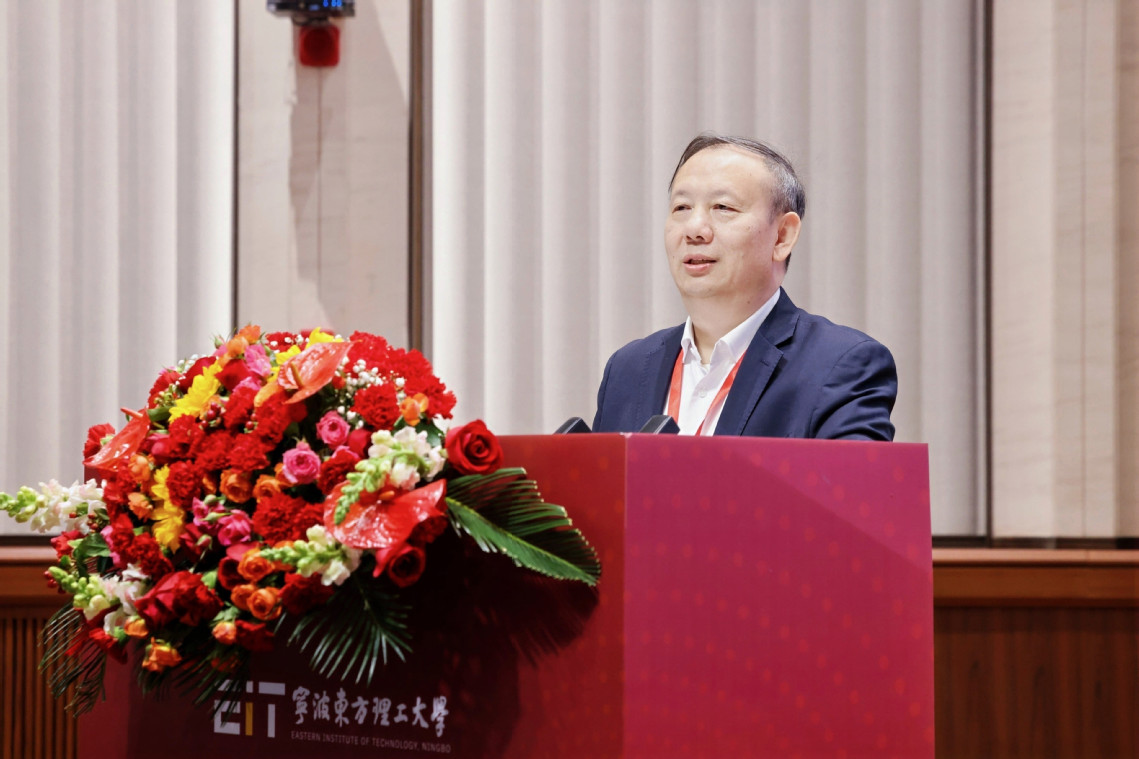
Junfa Mao delivering a keynote address
Universities and Cities in "Harmonious Resonance"
The future of universities is rooted in cities, yet they must embrace the world. Under the moderation of Chunmiao Zheng, Vice President of EIT, four university presidents shared global insights on "University Collaboration and City Co-development in a Global Context".
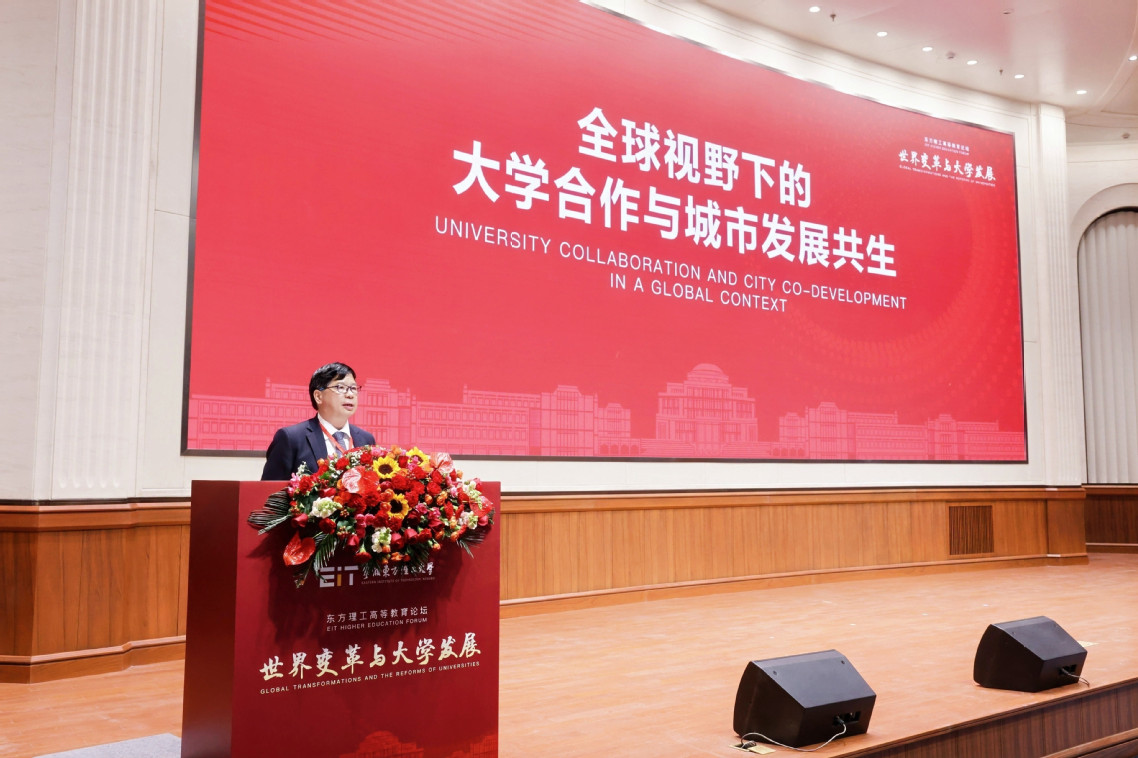
Presided over by Chunmiao Zheng
President S. Joe Qin of Lingnan University, from the perspective of a century-old institution, profoundly analyzed the disruptive impact of generative AI on higher education. He shared Lingnan University's response: making generative AI a compulsory course for all undergraduates, while emphasizing that education in the AI era should return to upholding critical thinking and ethical values.
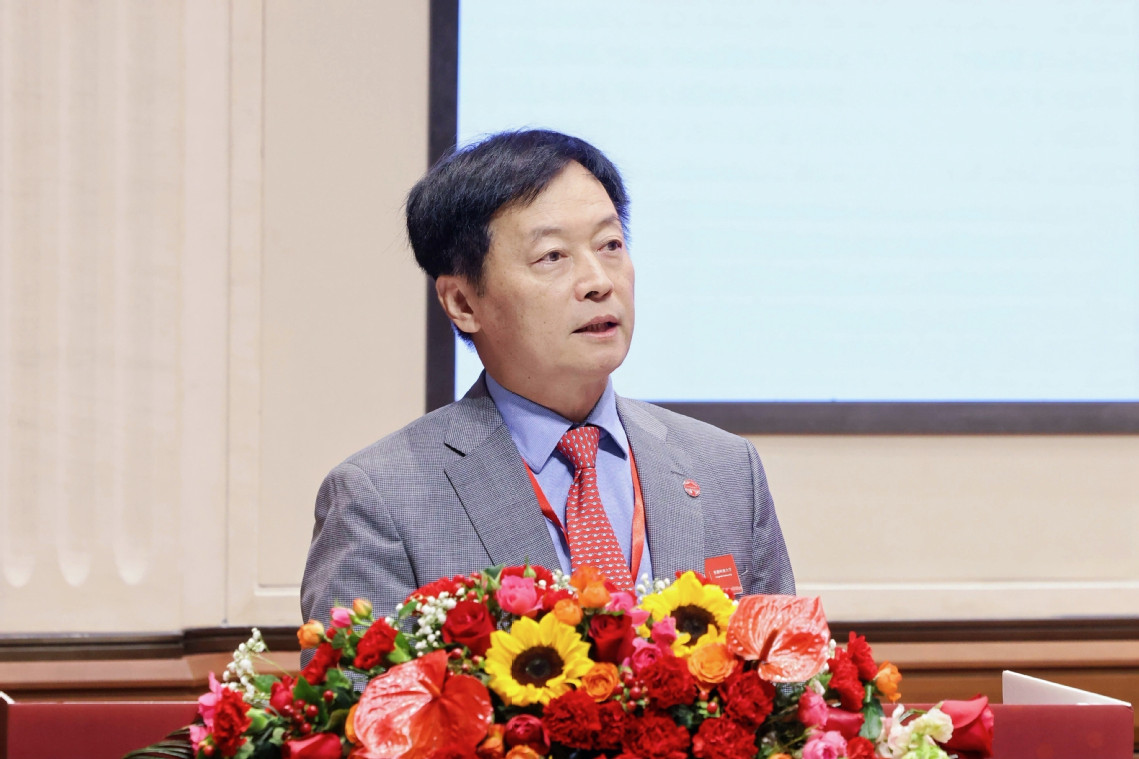
S. Joe Qin delivering a keynote address
"Training top talent is like training football players; they must play in the best professional leagues," remarked Professor Sai Gu, Pro-Vice-Chancellor of the University of Warwick, using a vivid analogy to illustrate the importance of international collaboration. He noted that Chinese scholars contribute to a quarter of the UK's research output, making China-UK scientific cooperation indispensable.
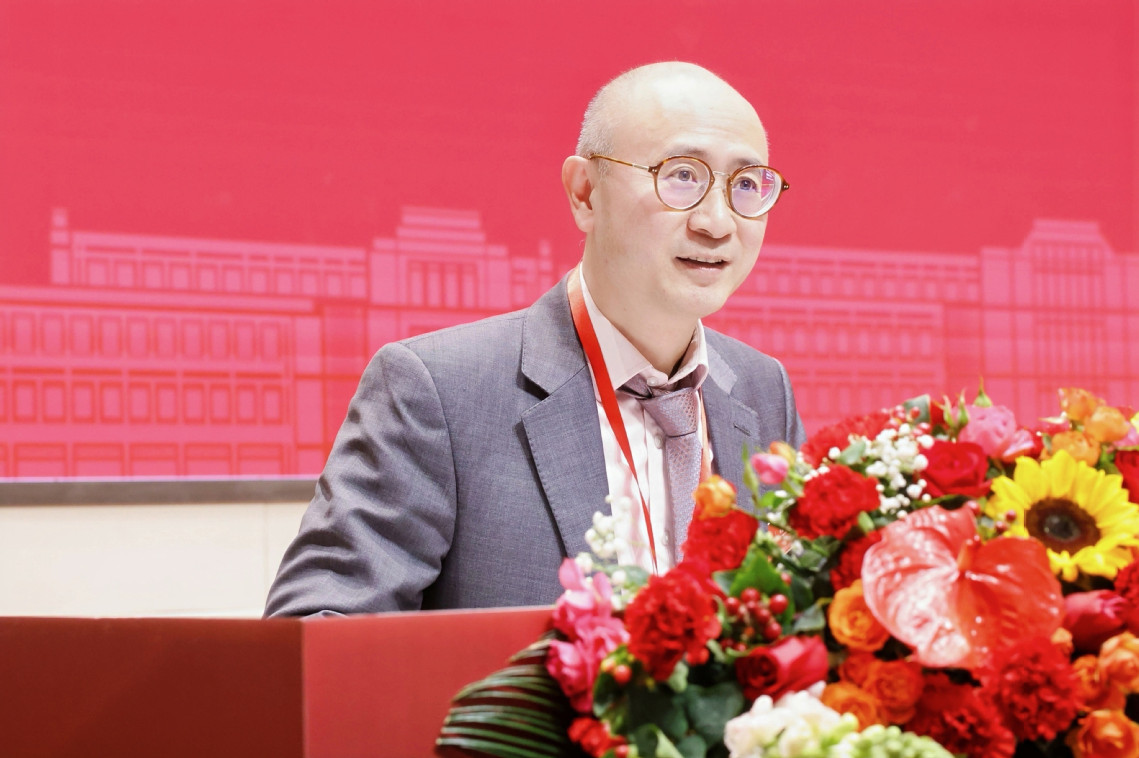
Sai Gu delivering a keynote address
Professor Jasper Knoester, Vice-Rector of Leiden University, presented a perspective from an ancient yet vibrant European university. He emphasized that universities are no longer ivory towers but part of a "Triple Helix" structure alongside government and industry. The disciplinary layout of a university must be closely integrated with the city's industrial DNA and unique advantages.
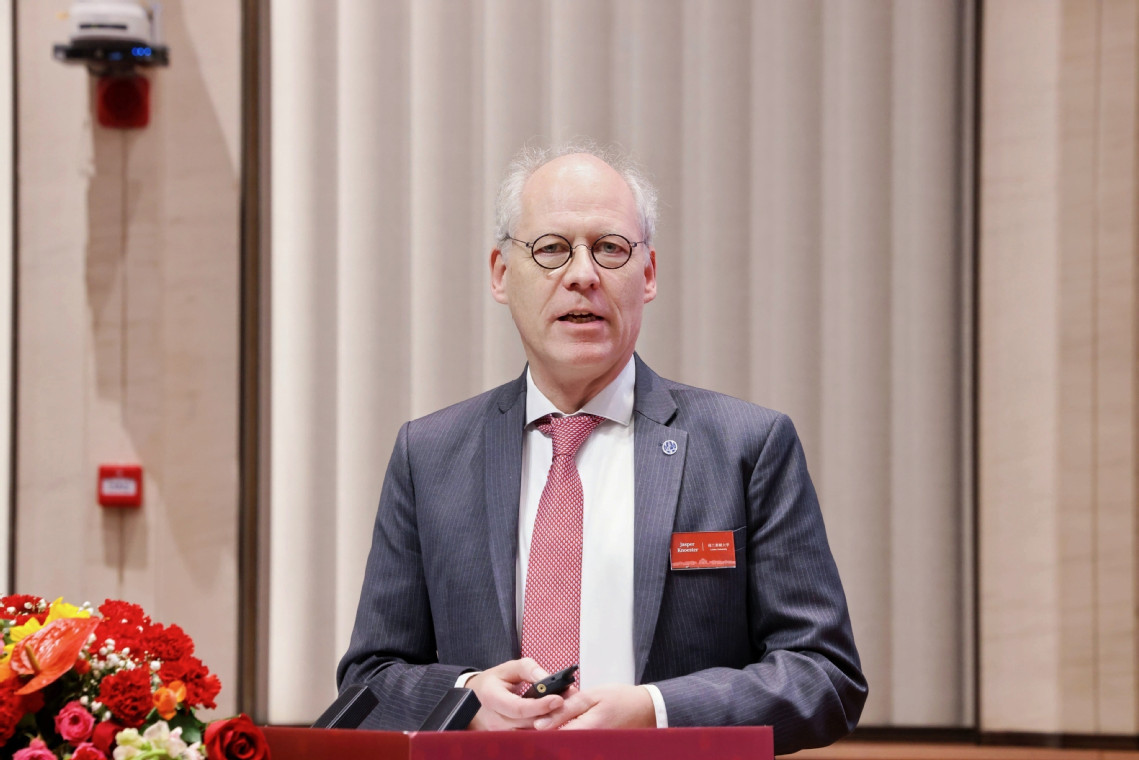
Jasper Knoester delivering a keynote address
Professor Leo Mian Liu, Senior Deputy Vice-Chancellor of the University of Technology Sydney (UTS), introduced innovative practices of UTS as a world top-100 "young university". He stated that despite challenges in global educational cooperation, the need for collaboration has never diminished. UTS looks forward to deepening cooperation with EIT, jointly writing new chapters in China-Australia educational collaboration.
Dialogues on Mission and Challenges
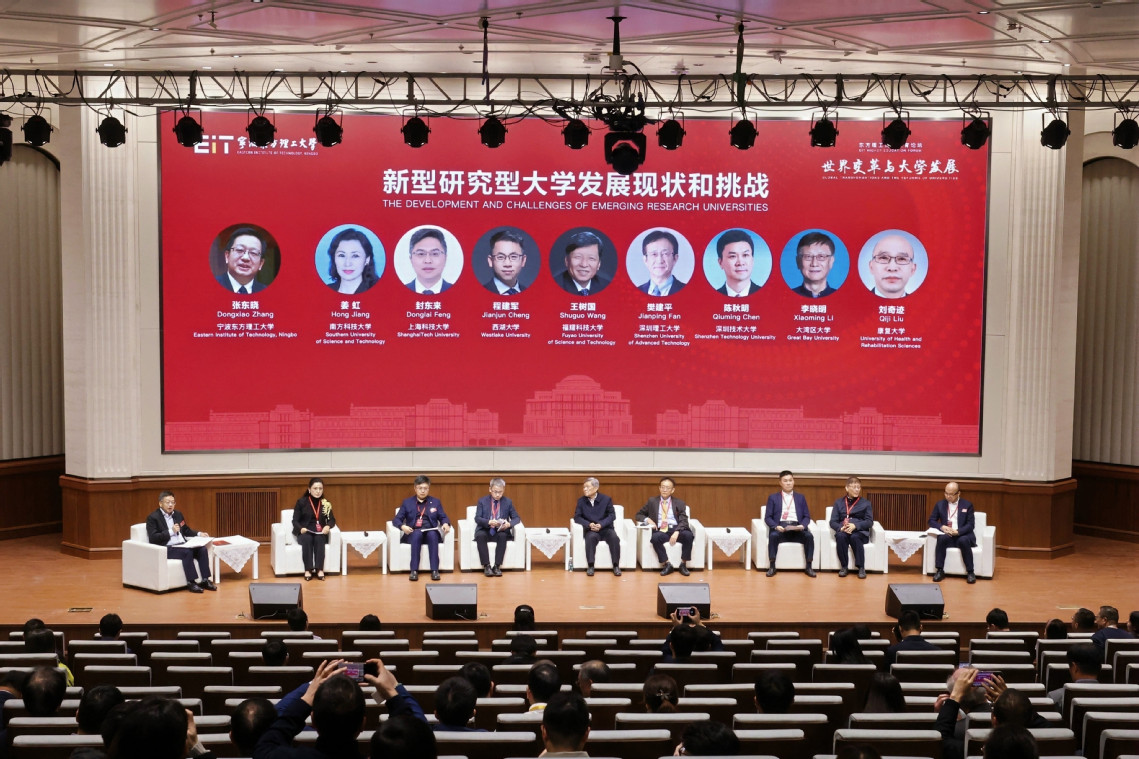
EIT Higher Education Forum
A panel discussion, chaired by Dongxiao Zhang, Executive Vice President and Provost of EIT, brought together leaders from emerging research universities in China for a dialogue on “The Development and Challenges of Emerging Research Universities."
Presided over by Dongxiao Zhang
Hong Jiang, Party Secretary of Southern University of Science and Technology (SUSTech), reviewed the university's 15-year journey. She pointed out that the exploration of a modern university system and the cultivation of top innovative talents are mutually reinforcing. Through council governance, the residential college system, and the "631" training model, SUSTech has contributed valuable experience to China's higher education reform.
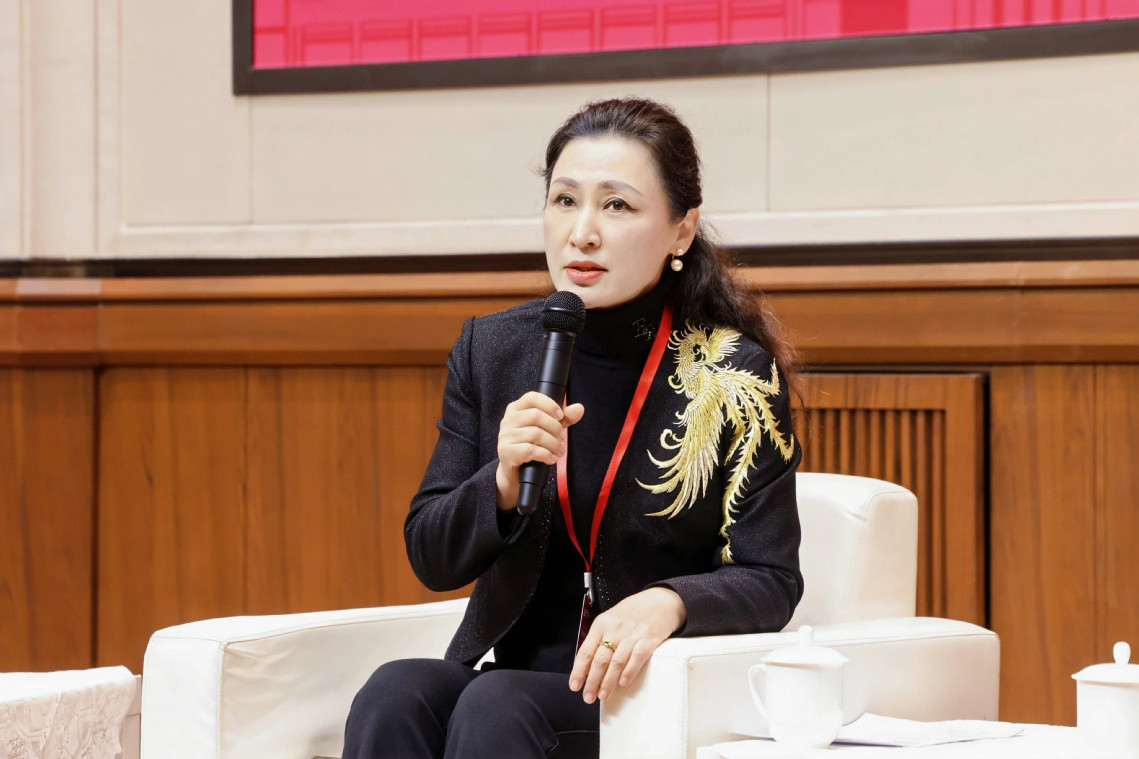
Hong Jiang in Panel Discussion
President Donglai Feng of ShanghaiTech University elucidated what "pragmatic de-administration" entails. In his view, it means giving time back to professors and directing resources towards original innovation. Institutional reforms in emerging research universities must not only "break the ice" but also be "implemented", ultimately serving as experimental fields for China's higher education reform.
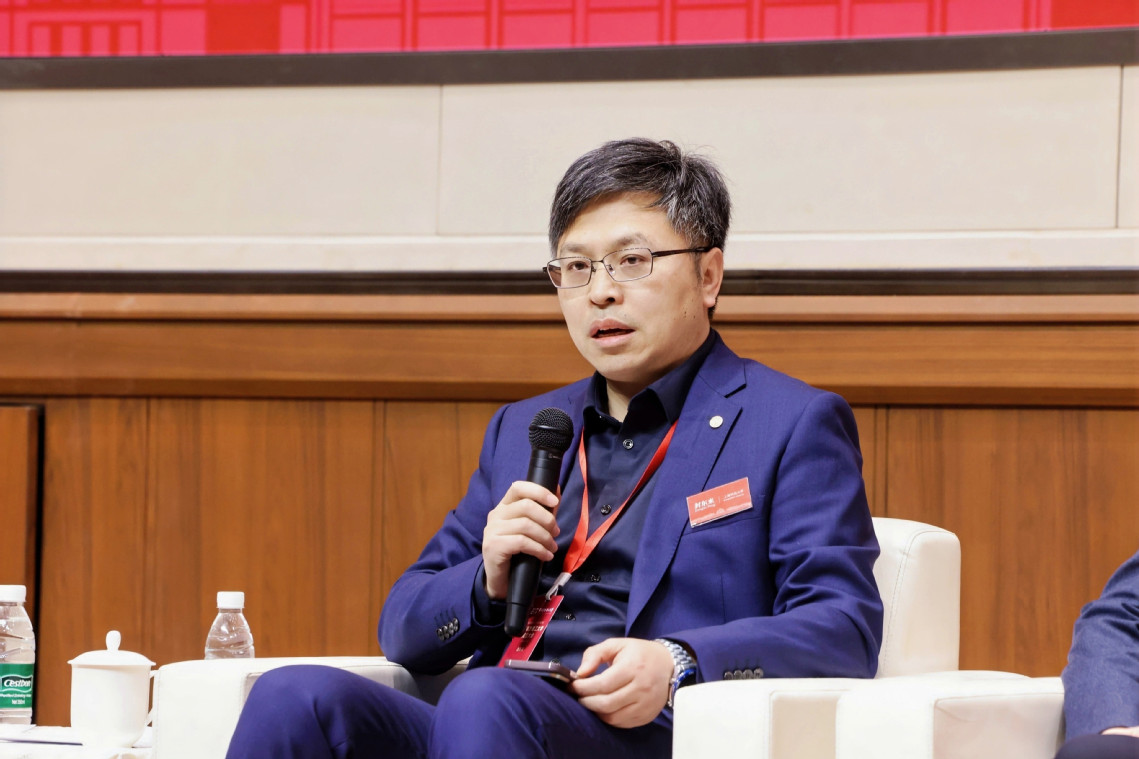
Donglai Feng in Panel Discussion
Jianjun Cheng, Vice President of Westlake University, used the "catalytic reaction" in chemistry as a metaphor for the transformative effect of talent density on innovation—placing high-density talent in a new, interdisciplinary, and integrated environment triggers wonderful chemical reactions. This explains why new mechanisms can unleash different innovative energies.
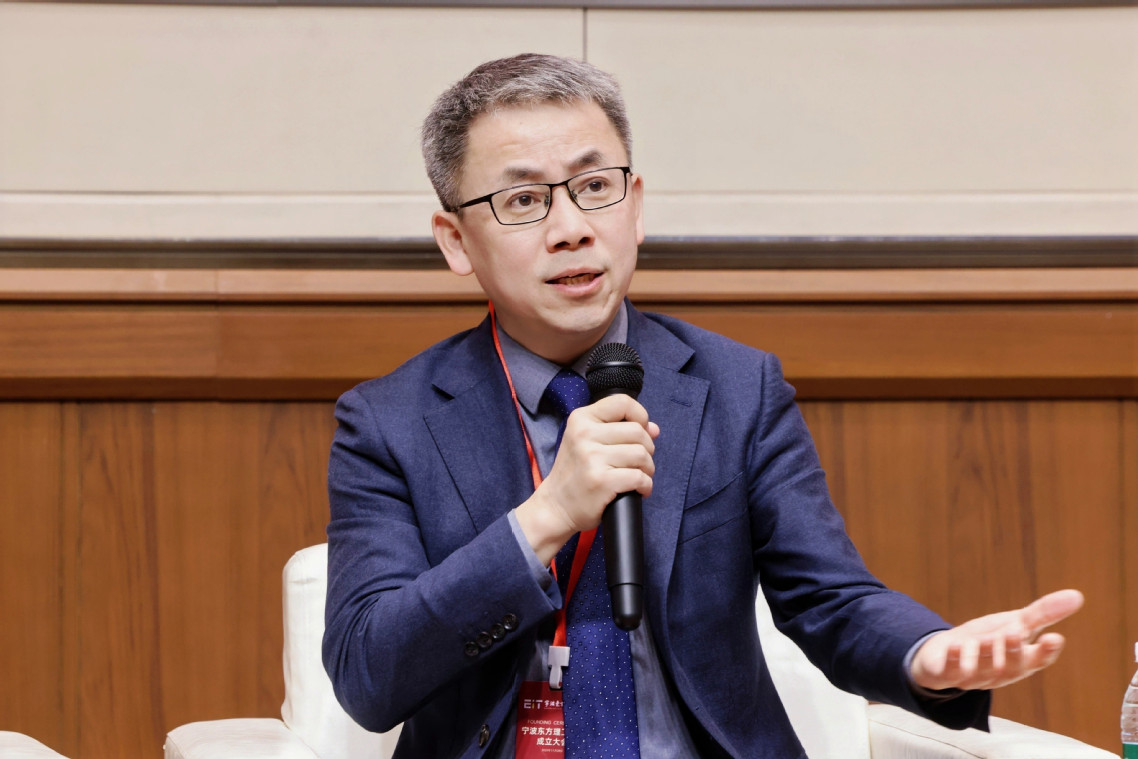
Jianjun Cheng in Panel Discussion
President Shuguo Wang of Fuyao University of Science and Technology stated that the rise of emerging research universities are a response to the "imperative of our era". Their core mission, he argued, is to pioneer a "reconstruction of the knowledge system". He vividly likened these institutions to "light cavalry" — unencumbered by constraints and thus tasked with exploring new paradigms for higher education to meet emerging human development needs.
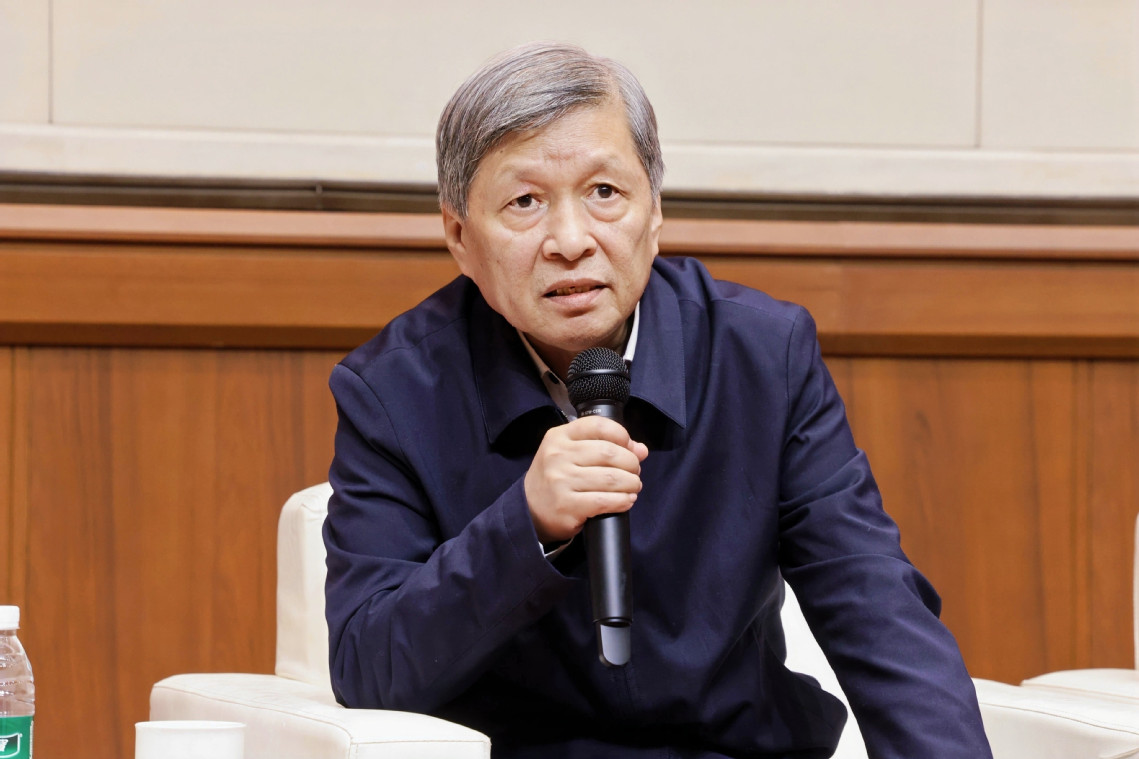
Shuguo Wang in Panel Discussion
"Although these emerging research universities differ in their specific layouts and features, their fundamental development logic converges," explained President Jianping Fan of Shenzhen University of Advanced Technology. This convergence stems from the pressing demand for quality higher education, the need for talent and technology to fuel urban transformation, and the expectation from local governments for greater institutional efficiency and impact. It is these shared drivers, he noted, that have solidified "High-Caliber Foundation, Compact yet Distinguished, Research Oriented, and Globally Engaged" as what we term our common institutional hallmarks.
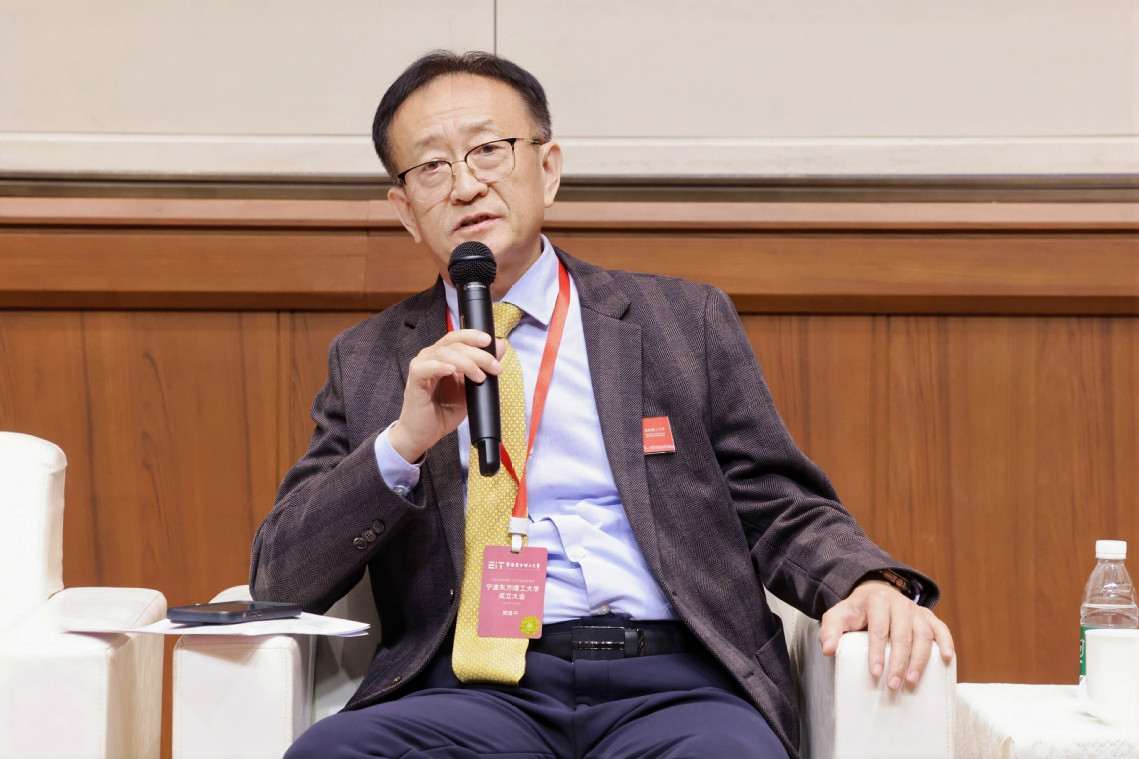
Jianping Fan in Panel Discussion
Qiuming Chen, Party Secretary of Shenzhen Technology University, elaborated on the mission of emerging research universities from six aspects: demand-oriented research, organized research, strengthened basic research, cultivation of innovative talents, internationalization, and institutional reform.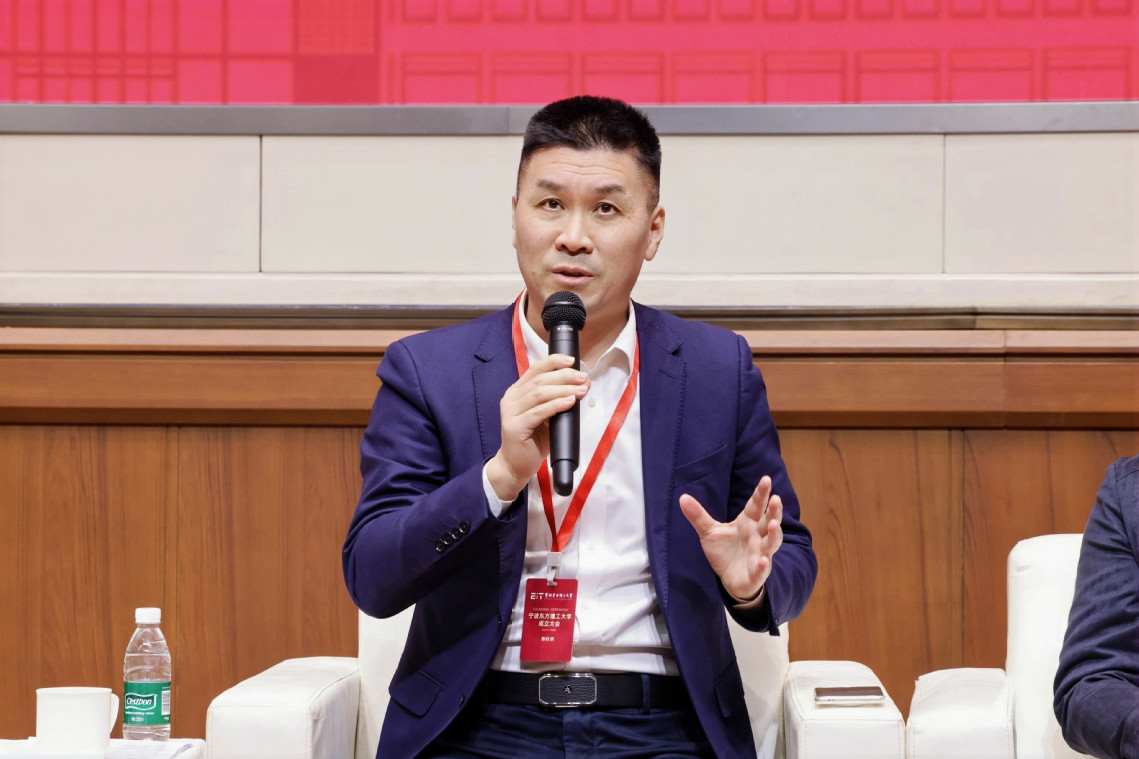
Qiuming Chen in Panel Discussion
Xiaoming Li, Vice President of Great Bay University, proposed that emerging research universities should explore not only internal governance but also new interfaces between universities, government, and society. Demonstrating institutional and mechanism innovation is the most core value.
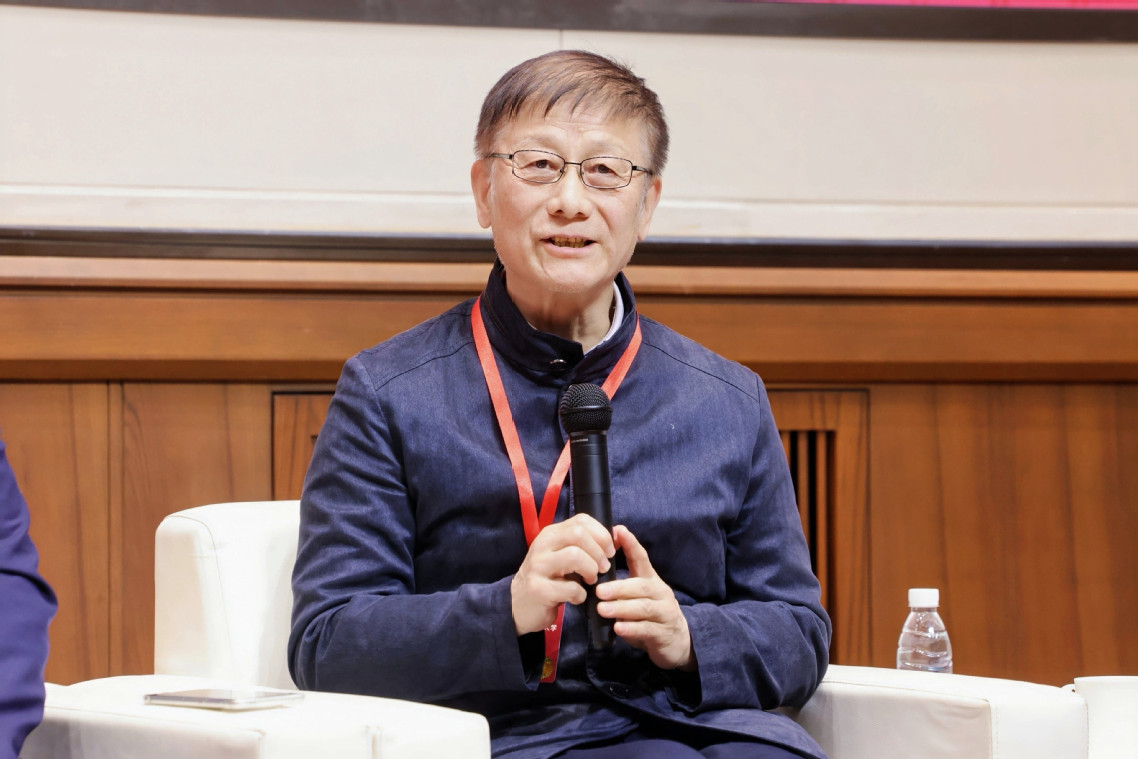
Xiaoming Li in Panel Discussion
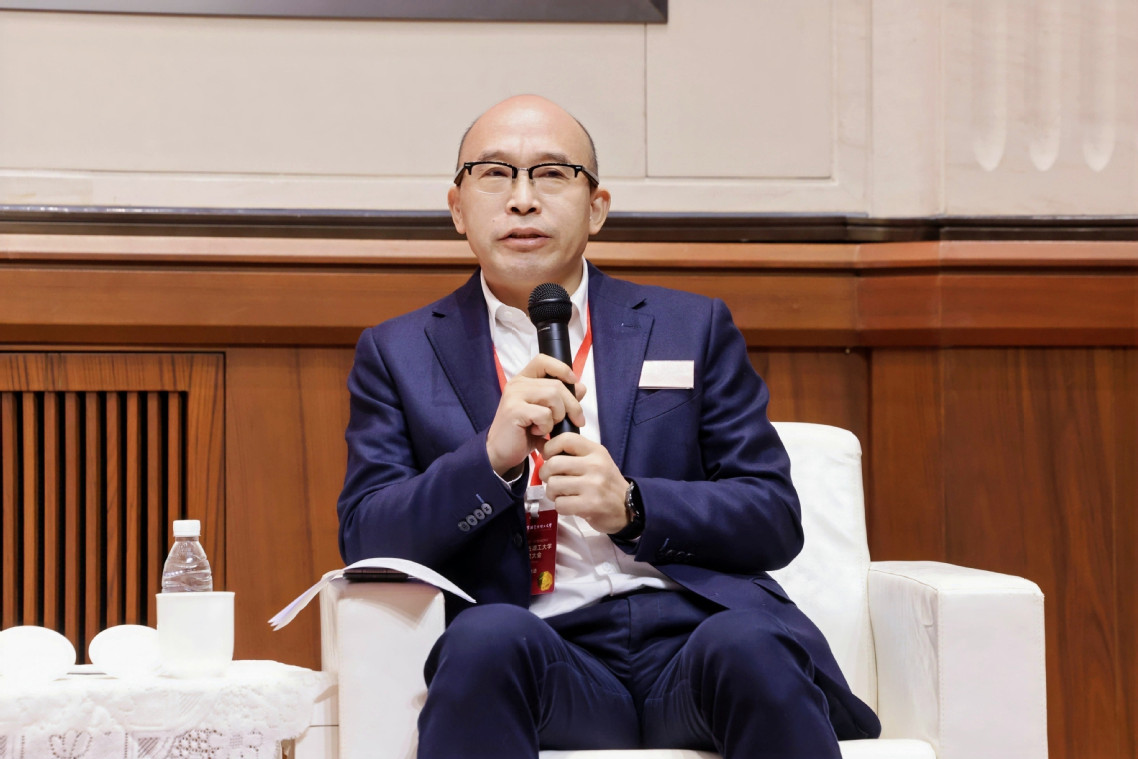
Qiji Liu in Panel Discussion
Concluding the discussion, President Shiyi Chen summarized, "When the global landscape changes rapidly, universities shoulder a dual mission: they must learn to ‘adapt’ to the changing times while steadfastly ‘upholding' the common values of humanity." This encapsulates the profound meaning behind the forum's theme, "Global Transformation and the Reforms of Universities."