IAHS Academy 2026
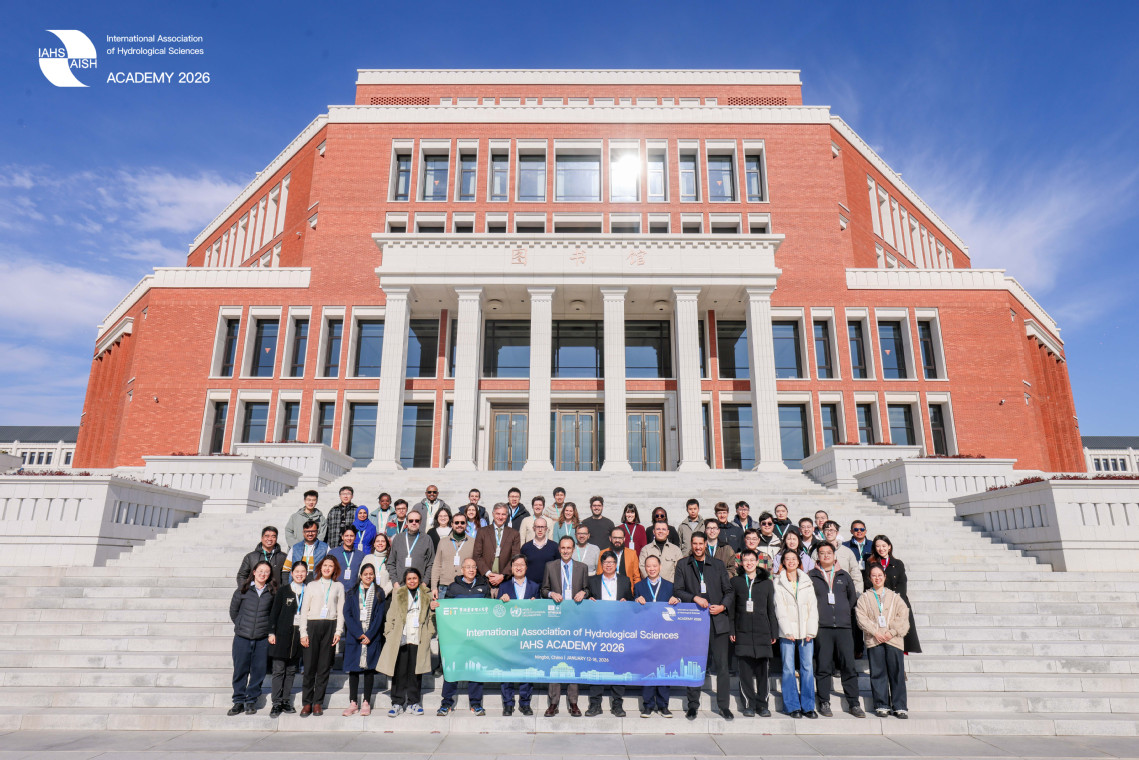
Who will shape the future of our water resources? On January 12, the Eastern Institute of Technology, Ningbo, welcomed a unique gathering—over 40 young scholars and experts from 17 countries, including Italy, Brazil, South Africa, and India, converged on the north bank of the Yong River to participate in the inaugural International Association of Hydrological Sciences (IAHS) Academy 2026. Against the backdrop of growing global challenges such as water scarcity, pollution, and ecosystem degradation, this cross-border dialogue seeks new pathways for humanity's "future of water".
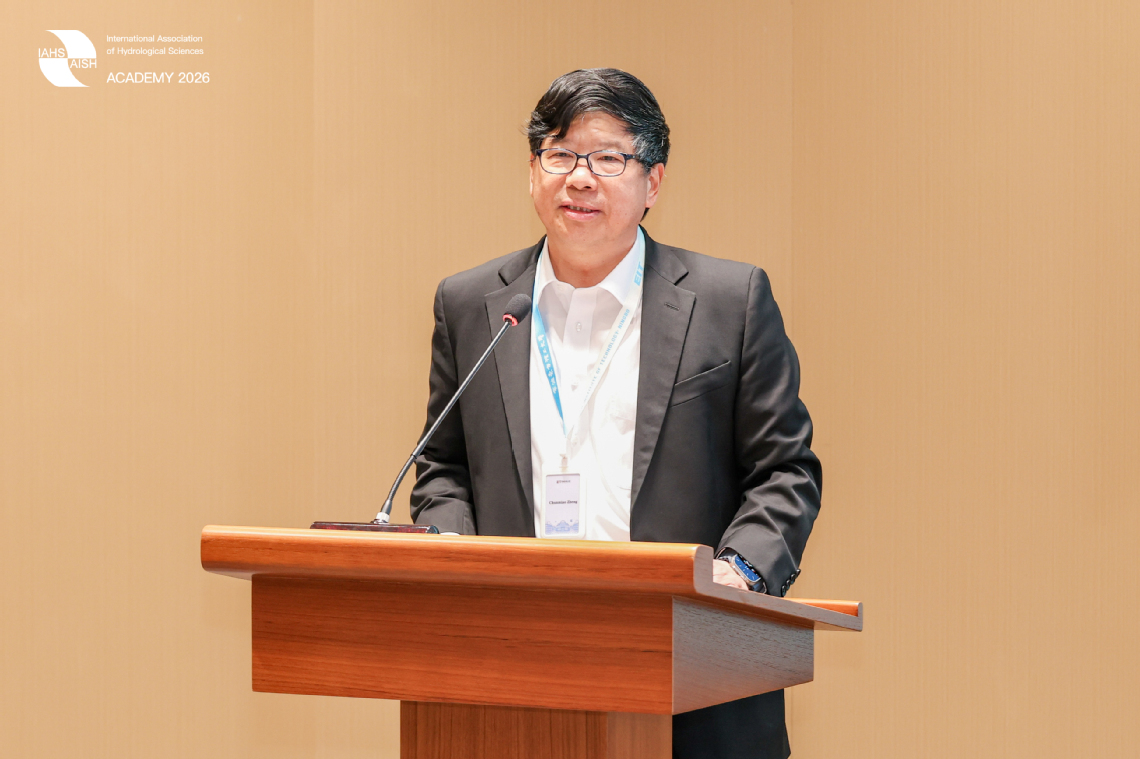
Address by Chunmiao Zheng
In his welcome address, Professor Chunmiao Zheng, Vice President of the Eastern Institute of Technology, Ningbo (EIT), emphasized the need to cultivate a new generation of scientists equipped with both expertise and a global perspective to tackle worldwide challenges. As a "high-caliber foundation, compact yet distinguished, research oriented, and globally engaged" emerging research university, EIT is committed to integrating science and education, aiming to nurture future hydrologists through programs like this and contribute to societal progress.
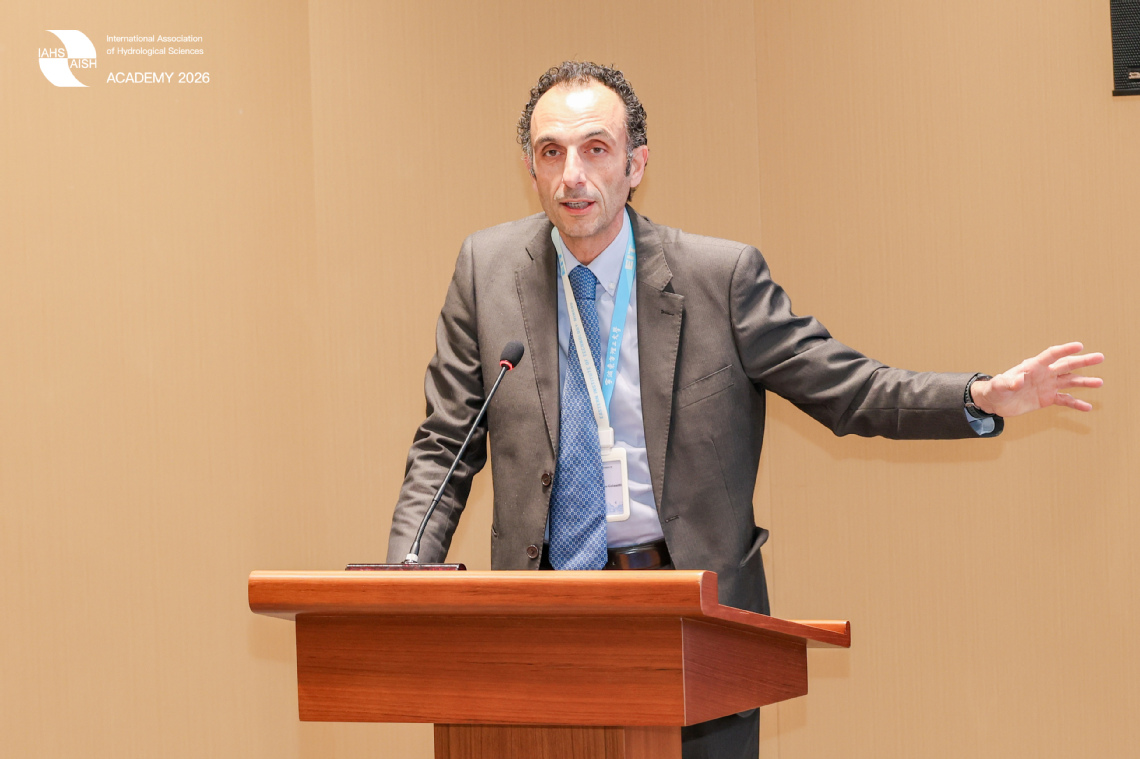
Address by Salvatore Grimaldi
Professor Salvatore Grimaldi, President of the International Association of Hydrological Sciences (IAHS), highlighted that the current era presents both opportunities and challenges. The IAHS Academy, he noted, is designed to establish an international platform that blends education, scientific research, and practical application, fostering interaction between established scholars and young talent while strengthening global capacity to address increasingly complex water-related issues.
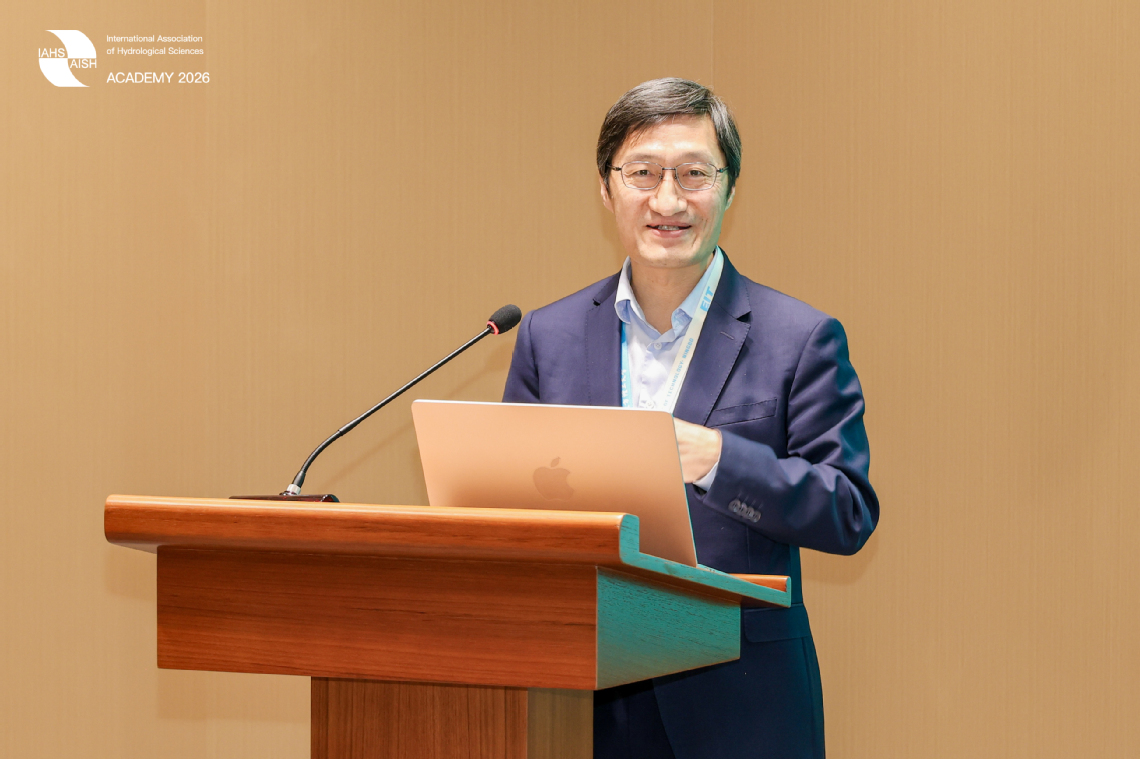
Address by Fuqiang Tian
Professor Fuqiang Tian of Tsinghua University, Vice President of IAHS, remarked that hosting the first IAHS Academy on EIT's new campus carries special significance. He expressed hope that by focusing on advanced hydrological data, tools, and knowledge systems, the academy will systematically enhance the professional capabilities of young researchers.
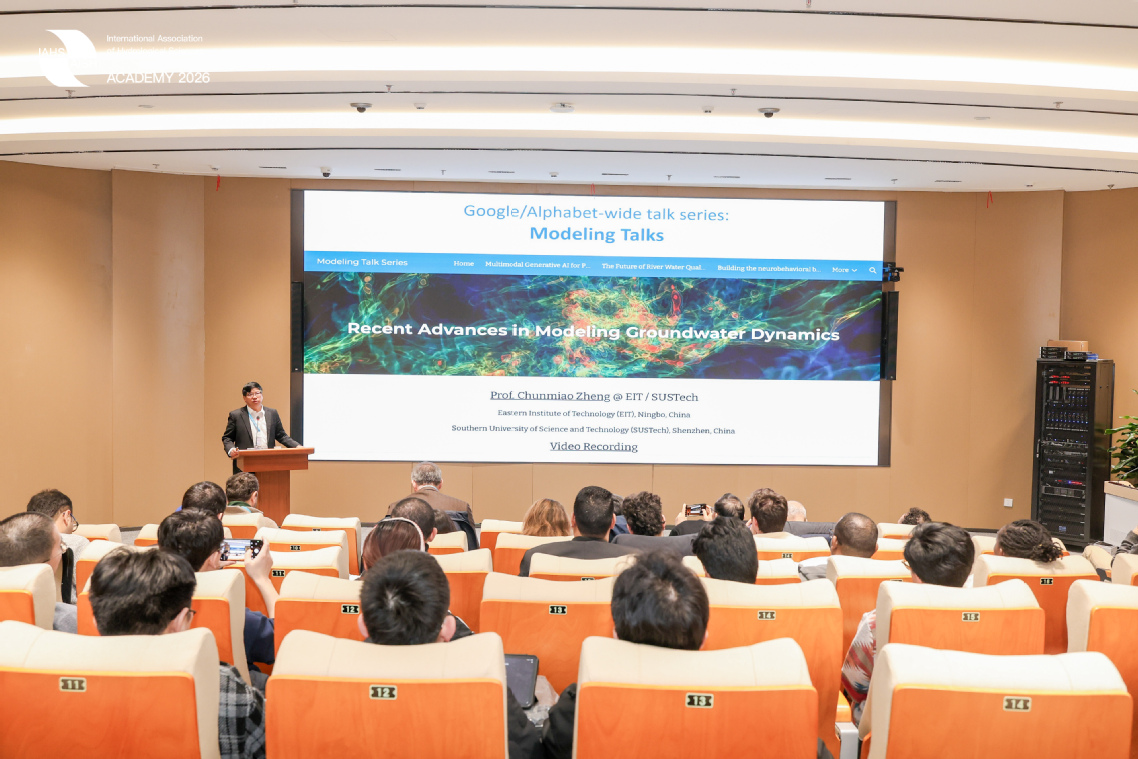
IAHS Academy 2026
The keynote session, chaired by Professor Fuqiang Tian, delved into the theme "Advancing Hydrological Sciences: From Training and Knowledge Sharing to Tackling Global Water Challenges." This year's academy features three short-term intensive courses centered on hydrological modeling, advanced hydrological monitoring, and aquifer dynamics, with an emphasis on integrating theory and practice.
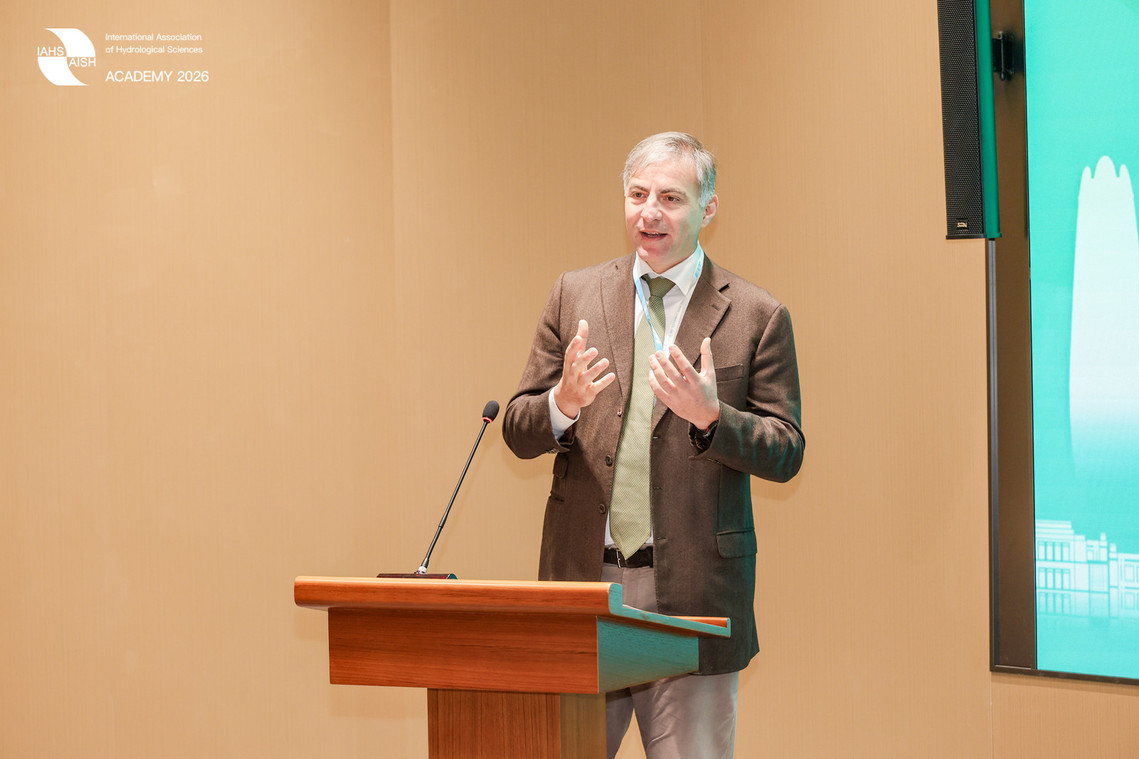
Professor Fernando Nardi, Chair of the IAHS Academy, Presiding Over the Opening Day
The opening ceremony was moderated by Professor Fernando Nardi, Chair of the IAHS Academy. The event is jointly organized by the International Association of Hydrological Sciences (IAHS), the UNESCO Intergovernmental Hydrological Programme (IHP), the Eastern Institute of Technology, Ningbo, and Tsinghua University, with support from the International Water Management Institute (IWMI), the Global Water Partnership (GWP), and the Partnership for Research and Innovation in the Mediterranean Area (PRIMA).
Q&A
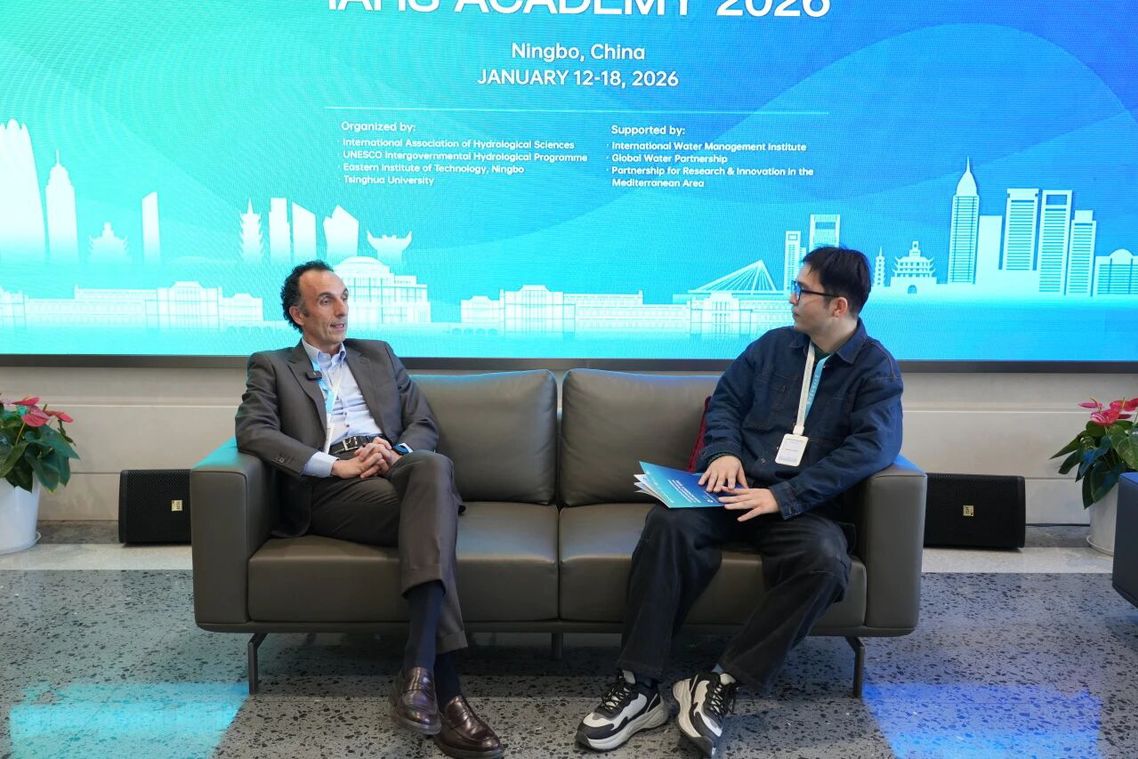
IAHS President Salvatore Grimaldi (left) in conversation with Dr. Mahmut Tudaji of Tsinghua University (right)
Mahmut Tudaji:
What is the purpose of establishing the IAHS Academy, and what role do you envision it playing in the field in the future?
Salvatore Grimaldi:
Amid increasingly severe global water challenges, the IAHS Academy was created to strengthen worldwide capacity-building in hydrological sciences. It aims to establish an international platform that integrates high-level education, cutting-edge scientific research, and practical solutions to water-related issues. By fostering in-depth exchange and collaboration between senior scientists and young scholars, the academy seeks to advance knowledge at the forefront of hydrology and contribute actionable pathways to addressing the global water crisis.
Mahmut Tudaji:
From a global perspective, what are the most urgent challenges facing hydrological science today?
Salvatore Grimaldi:
Driven by the combined effects of climate change and human activities, extreme hydrological events—particularly floods—have become more frequent in recent years. These events are trending toward higher frequency, greater intensity, stronger localization, and increased uncertainty, posing unprecedented challenges to existing hydrological monitoring systems, forecasting technologies, and emergency decision-making frameworks.
Mahmut Tudaji:
How would you assess the significance of the integrated flood forecasting system developed through the IAHS Academy?
Salvatore Grimaldi:
This innovation represents a major leap beyond traditional fragmented approaches in water disaster response. By integrating advanced sensing technologies, real-time data acquisition, and intelligent forecasting capabilities, it establishes a unified hydrological monitoring and early-warning system. The system is not only applicable to regions long affected by flooding but also holds significant potential for adoption in arid and semi-arid areas increasingly experiencing extreme rainfall and flash floods worldwide.