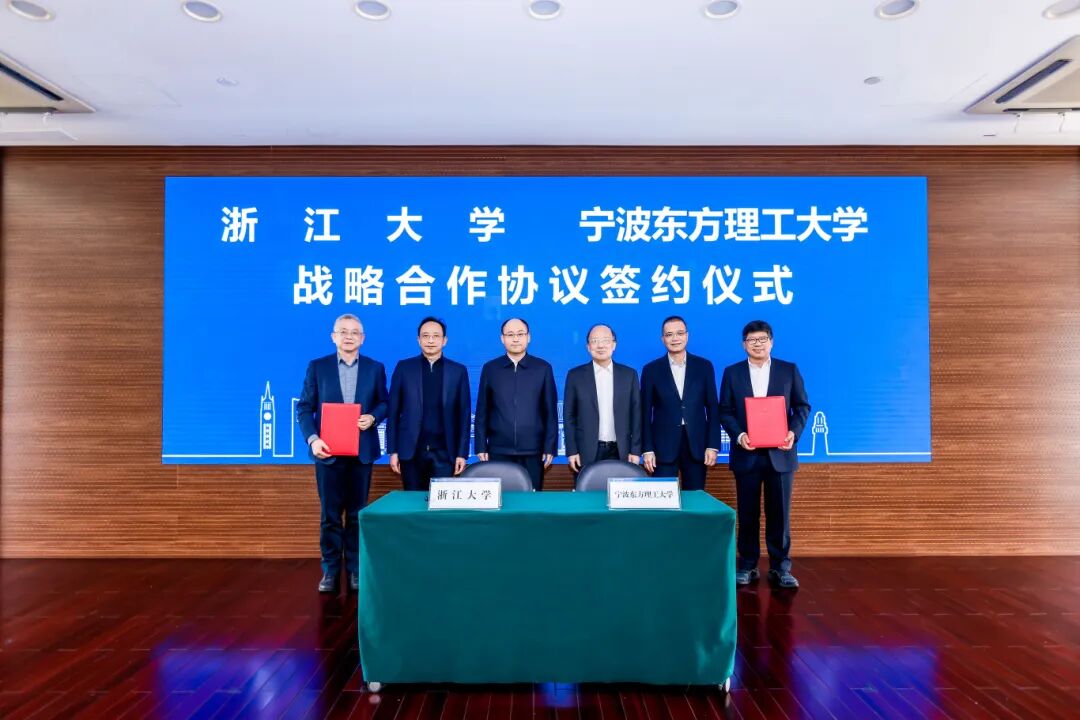
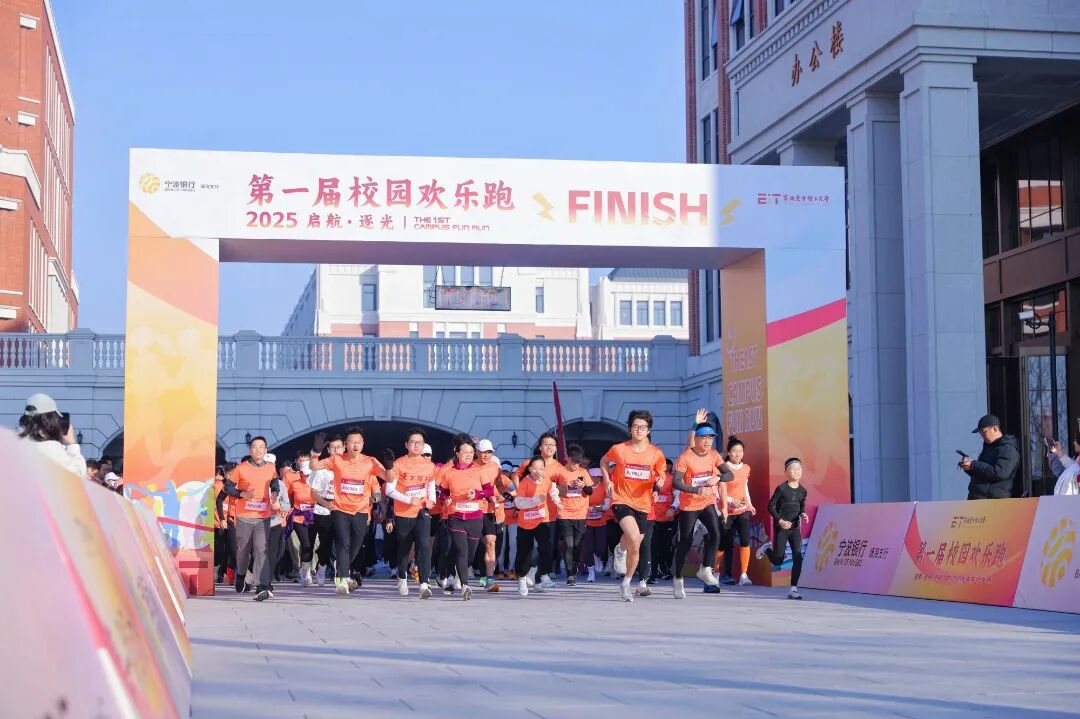
As we welcome the new year, we look back on 2025—a year that continues to inspire us with its significance for the Eastern Institute of Technology, Ningbo (EIT).
2025 stood as a defining chapter for EIT. Together, we watched key milestones take shape: from the official approval in summer to the grand unveiling ceremony in winter; from the first undergraduate class embarking on their studies to new laboratories illuminating the path for discovery. The year drew talent from around the world, saw generous contributions from philanthropic leaders, and witnessed a steady stream of high-level research…
Now, we have selected ten keywords of the year to highlight key moments in talent development, scientific research, social contribution, cultural heritage, and global engagement—offering a glimpse into the journey of this young university.
Keywords One: Official Approval from the Ministry of Education
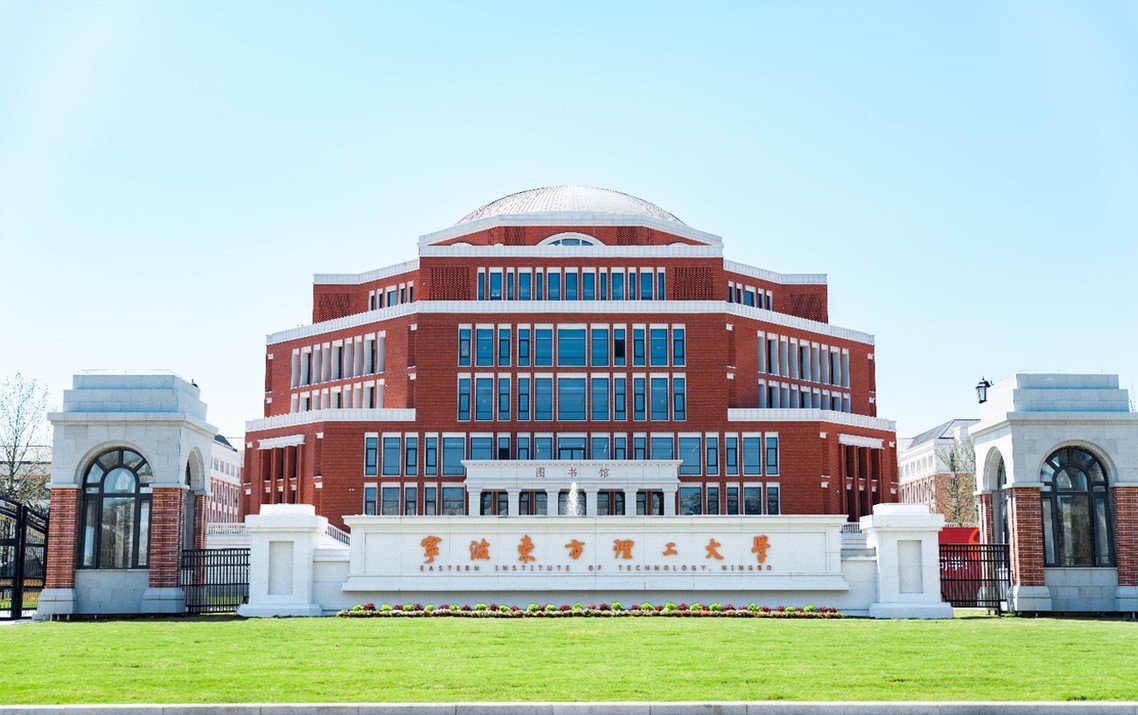
In June, the Eastern Institute of Technology, Ningbo was officially approved by the Ministry of Education. The Official Letter from the Ministry of Education on Approving the Establishment of the Eastern Institute of Technology, Ningbo states that EIT is positioned as an emerging research university. It focuses closely on national strategies and urgent economic and social development needs, strengthens basic research, concentrates on frontier interdisciplinary fields, highlights engineering technology, and cultivates top-notch innovative talents.
The letter expresses the hope that the university, adhering to its founding principles of "high-caliber foundation, compact yet distinguished, research oriented, and globally engaged", will concentrate on serving national strategic emerging industries and future industries. It should vigorously promote the integration of science and education as well as industry and education, gather first-class faculty, build top-tier disciplines, cultivate outstanding talents, and produce pioneering achievements, actively exploring the model for an emerging research university and making positive contributions to high-quality economic and social development at both national and regional levels.
Keywords Two: New Campus Inauguration
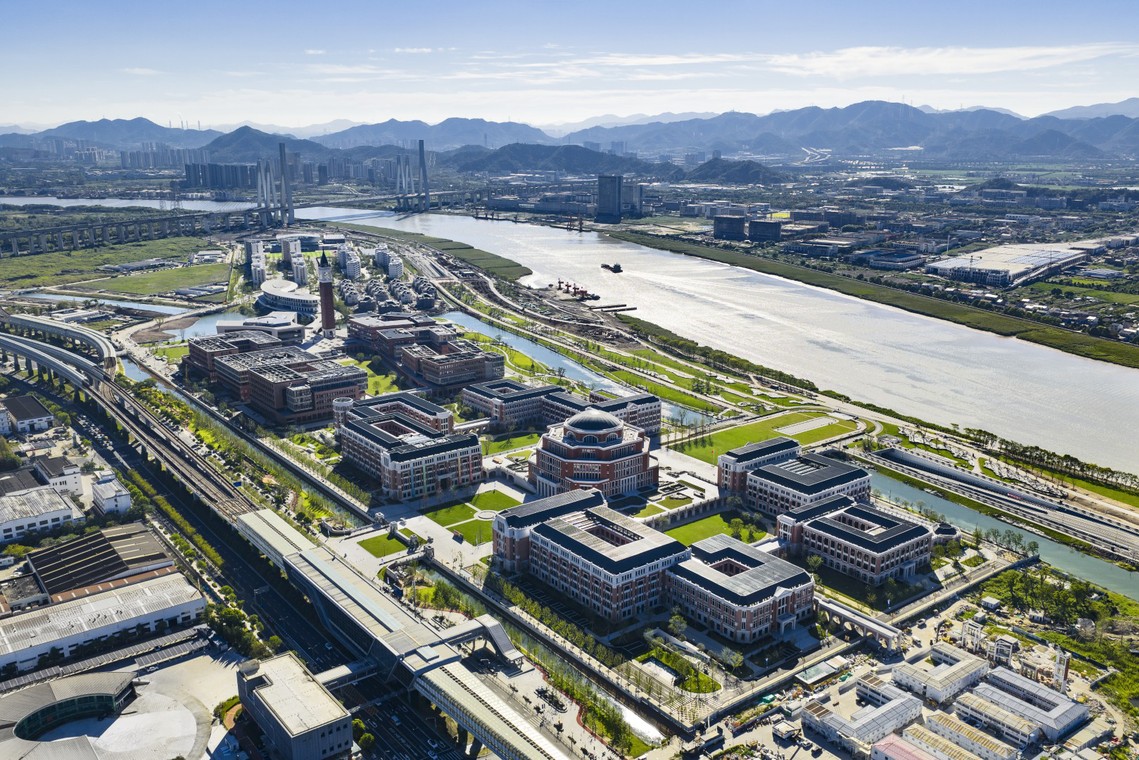
In the latter part of the year, EIT unveiled its permanent campus. Situated along the Yong River, the newly operational first phase of the new campus stretches approximately 3.8 kilometers from east to west, with a total planned floor area of about 1.5 million square meters. Its layout, reminiscent of an elegant bow tie, is nestled on the north bank of the river.
Designed as a "timeless classic by the water," the campus harmoniously blends traditional and contemporary architecture. The soaring Qiuzhen Tower and the library, inspired by the ancient concept of "celestial dome and terrestrial base"(天圆地方), stand in dialogue, defining the campus skyline. The south gate opens toward the Yong River—a symbol of Ningbo's historic merchant spirit, from which EIT now sets sail toward global engagement.
Frequently characterized as a campus where technology blends seamlessly with nature, it is often referred to as an “academic retreat” that harmonizes innovation with the natural environment. A student-centered philosophy is evident throughout: from the covered walkways linking academic buildings, to abundant smart outlets indoors, and even single-occupancy dorm rooms equipped with fitness facilities.
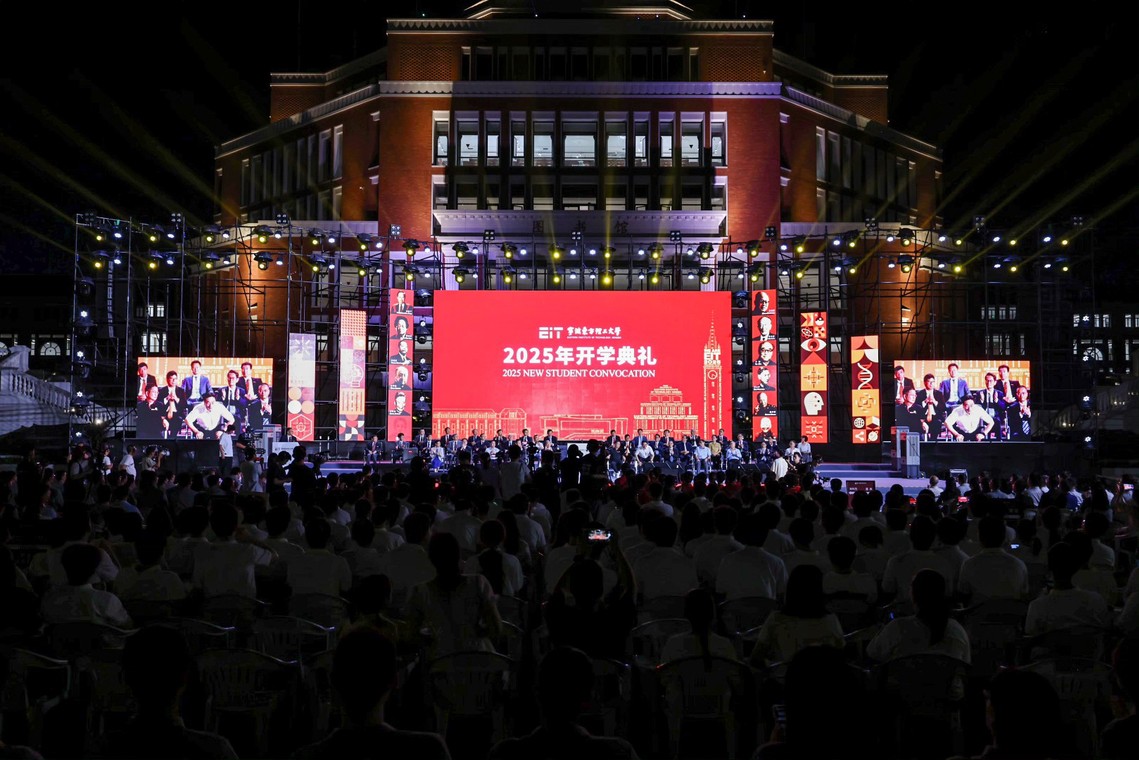
Keywords Three: 2025 New Student Convocation
On the evening of August 30, EIT held its first New Student Convocation. This year marked its inaugural enrollment of undergraduate students, making this the university's very first New Student Convocation.
From receiving the approval document from the Ministry of Education to launching its undergraduate admissions process, EIT managed the feat in just 11 days. Working against a tight timeline and a demanding workload, university personnel deployed across 11 cities in Zhejiang Province to conduct recruitment, ultimately enrolling 74 undergraduate students with an admission cutoff score of 656. Some have called it "reaching excellence from the very start".
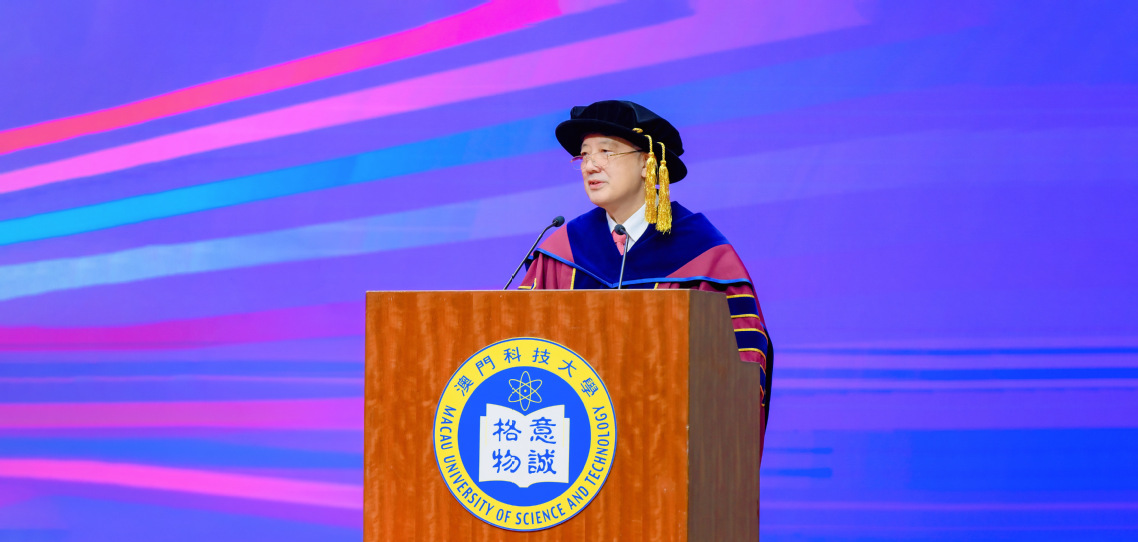
At the convocation, President Shiyi Chen of EIT delivered a speech titled "Rooted in the East, Dedicated to the Future." In his address, he highlighted accomplished figures from Ningbo, such as Youyou Tu, China's first Nobel laureate in science, and Renrong Yu, the university's founding donor and Chairman of the Board of Trustees, encouraging students to follow in their footsteps and achieve excellence in the future.
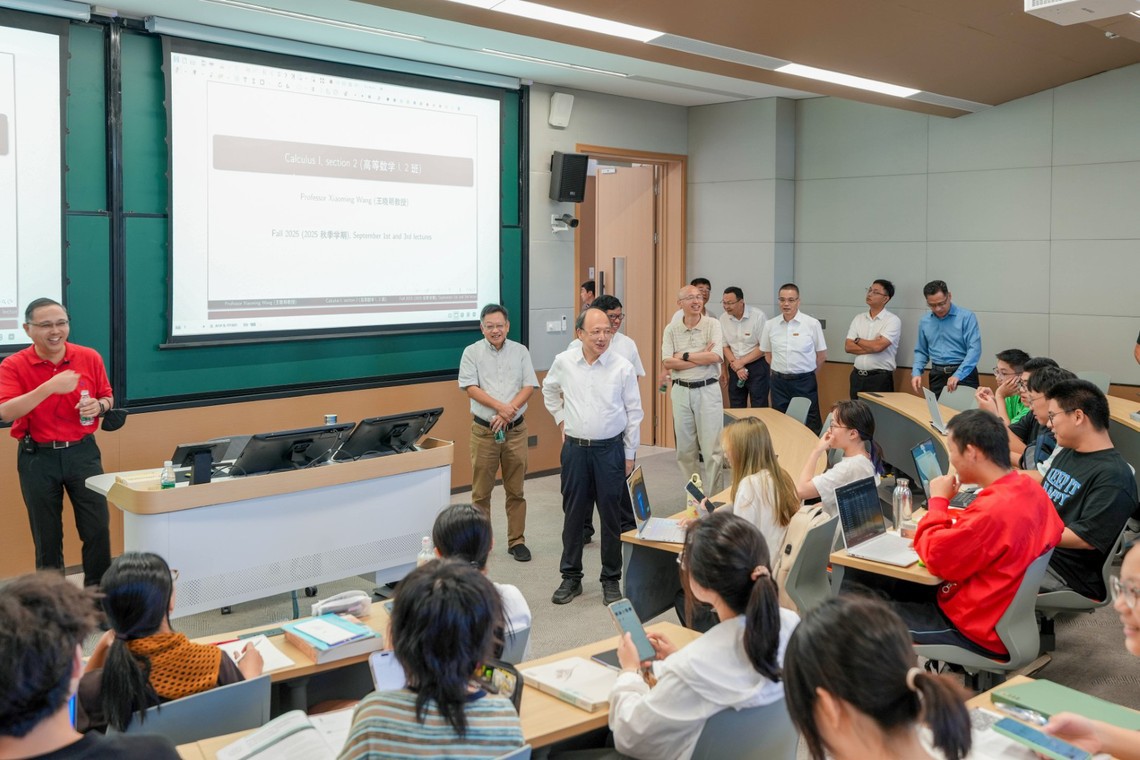
Keywords Four: Teaching Comes First
On September 1, the inaugural undergraduate class at EIT began its academic journey. Facing their first university lectures, the students were eager and full of anticipation.
At EIT, the principle that "teaching comes first" is fundamental. Instruction is the foremost responsibility of the faculty. Having distinguished academicians and senior professors—especially those teaching foundational first-year courses—stand in the classroom is the clearest embodiment of the university's student-centered philosophy.
Prior to the first Calculus I lecture, university leadership, including Shiyi Chen, along with Bo Jin and Dongxiao Zhang, visited classrooms to observe teaching at the start of the semester.
Inside two parallel classrooms in the Teaching Laboratory Building, Professors Jie Shen and Xiaoming Wang led students into the depths of calculus.
A strong emphasis on teaching lies at the heart of EIT's educational ethos. Foundational courses in mathematics and physics are conducted in small class settings. Physics laboratory sessions are closely aligned with theoretical lectures. English language instruction is tiered into three levels, while physical education follows a general curriculum taught by accomplished athletes. Experienced and young faculty work in teams, with the latter observing classes to collaboratively develop high-quality course materials. In addition, teaching supervision committees conduct classroom evaluations and student feedback is systematically gathered—all part of a concerted effort to continuously enhance the quality of instruction.
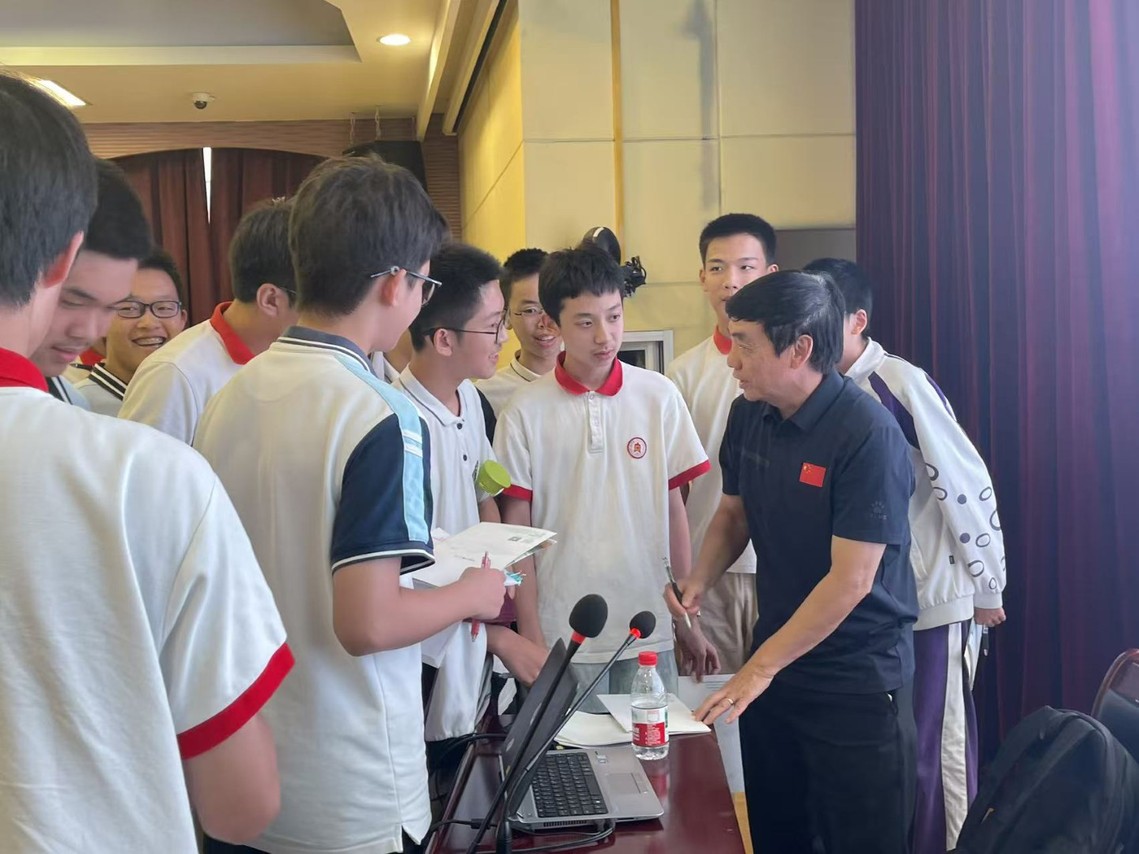
Keywords Five: "Distinguished Lectures in High Schools"
In September, EIT launched a new round of lecture series, "Distinguished Lectures in High Schools". The lectures featured a notable roster of speakers, including both academicians and young talented professors, who shared insights from their research and the appeal of their respective fields through engaging presentations tailored for high school students.
The talks provided accessible introductions to EIT's key academic strengths—such as artificial intelligence, new materials, and bioengineering—while also offering genuine perspectives on university life and future career paths. This initiative effectively connected high school students with higher education and contemporary scientific frontiers.
From September through the end of 2025, 28 lectures were held at 26 high schools across Zhejiang Province, including leading institutions such as Zhenhai High School, Hangzhou No. 2 High School, Wenzhou Zhilin High School, Shaoxing No.1 High School, Jiaxing No.1 High School, Jinhua Foreign Language School, Tiantai High School, Zhoushan High School. The events reached multiple cities, including Ningbo, Hangzhou, Wenzhou, Shaoxing, Jiaxing, Jinhua, Taizhou and Zhoushan, drawing a combined audience of over 7,000 participants.
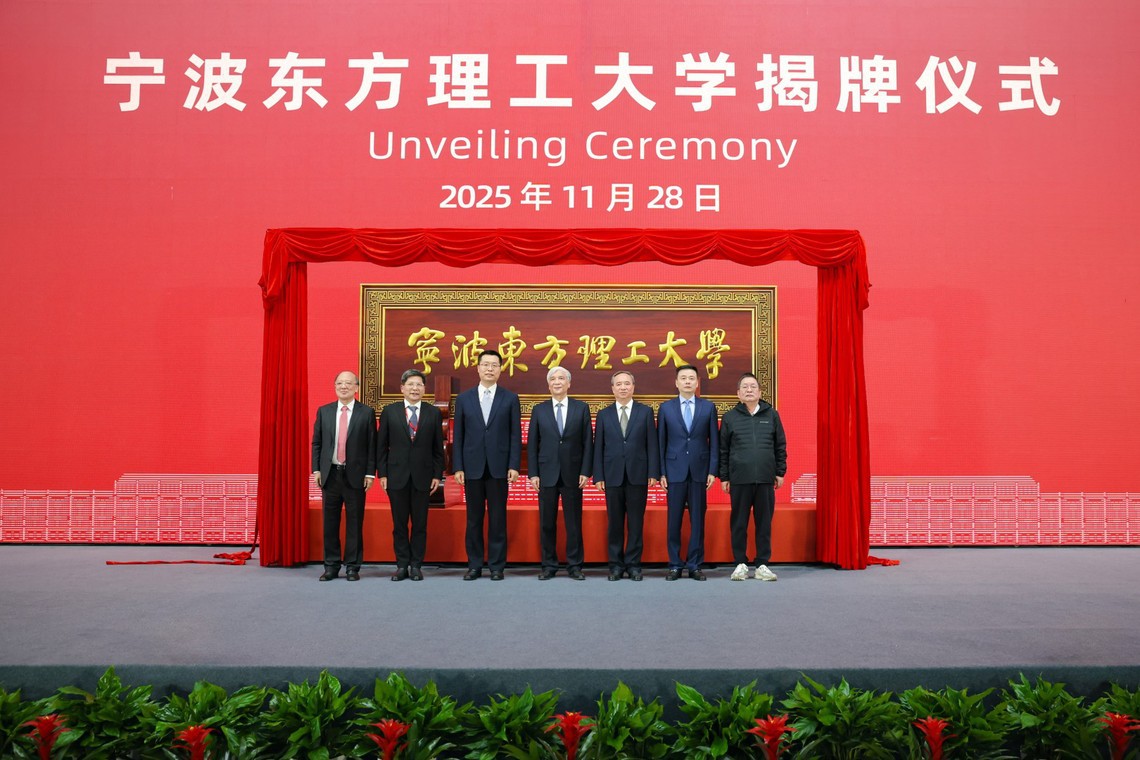
Keywords Six: the Founding Ceremony
On the evening of November 28, over 700 guests from government, education, science and technology, business, and other sectors gathered from far and wide to attend the Founding Ceremony of the Eastern Institute of Technology, Ningbo, jointly witnessing the formal launch of this emerging research university.
Attending the unveiling ceremony were Ding Zhongli, Vice Chairman of the Standing Committee of the 14th National People's Congress (NPC), Chairman of the China Democratic League (CDL); Wang Cheng, Deputy Secretary of the CPC Zhejiang Provincial Committee, Secretary of the CPC Ningbo Municipal Committee; Lu Shan, Vice Governor of Zhejiang Province; Tang Feifan, Deputy Secretary of the CPC Ningbo Municipal Committee, Mayor of Ningbo; Chen Chunlei, Director of the Zhejiang Provincial Department of Education; Yu Renrong, Chairman of the Borad of Trustees of EIT and Chen Shiyi, President of EIT.
"After five years of pioneering efforts and steadfast progress, EIT has upheld the Party's overall leadership and forged a distinctive path for an emerging research university within China's higher education landscape," President Chen Shiyi stated in his address. Looking ahead, he expressed the ambition for EIT to cultivate talent with global impact, produce world-changing research, and develop into a world-class institution.
Keywords Seven: Research Excellence
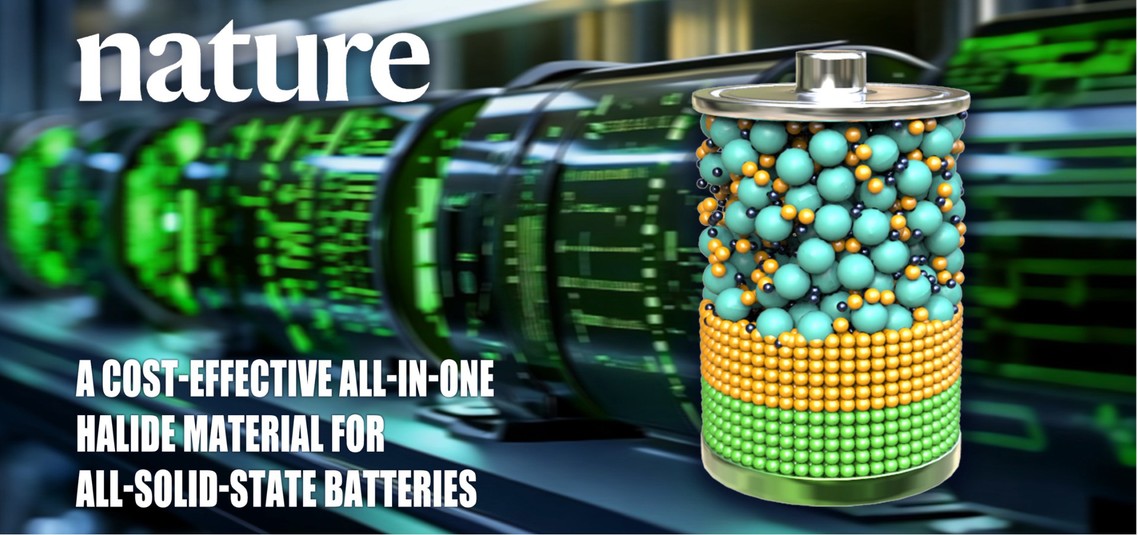
Guided by its commitment to integrating science as the foundation with engineering as the core, EIT made significant, system-wide advances in 2025 across research platforms, initiatives, and original output.
The year marked a substantial increase in high-caliber publications, with 436 papers published—including 1 in Nature, 3 in Science, and 25 in leading CNS-affiliated journals. This brings the university's cumulative total of high-impact publications to 985. Its flagship international journal, "Sustainable Horizons", earned its first Impact Factor of 7.7, placing it in the JCR Q1 category and underscoring EIT's growing scholarly influence.
Research funding for the year amounted to 1 billion RMB, contributing to a cumulative total of 3.45 billion RMB—providing strong, sustained support for innovation. The university also expanded its research infrastructure, adding 1 provincial key laboratory, 1 provincial concept-validation center, 2 municipal key laboratories, and 1 municipal concept-validation center. Through partnerships with local government, initiatives such as the Ningbo Institute of Low Altitude Economy were launched, raising EIT's total to 6 provincial-level and 6 municipal-level research platforms.
Both the quantity and quality of research projects grew notably. EIT secured 39 grants from the National Natural Science Foundation of China and 30 from the Zhejiang Provincial Natural Science Foundation, including 3 for Provincial Distinguished Young Scholars. It also led or participated in 36 national-level major initiatives under programs such as the National Key Research and Development Program of China and National Science and Technology Major Projects.
Keywords Eight: Faculty Growth
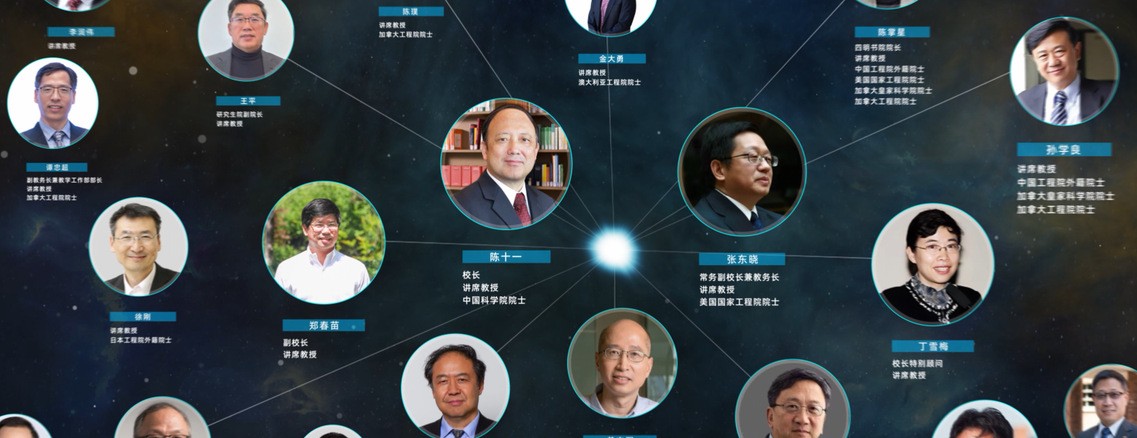
EIT continues to attract exceptional scholars. In 2025, the university recruited 26 Principal Investigators.
Through globally focused recruitment strategies, rigorous international evaluation, and comprehensive professional support, EIT has built a distinguished and diverse academic community. By the end of 2025, its faculty included 16 academicians, 61 national-level talents, and 101 Principal Investigators. 60% hold positions at top-200 global institutions, and 95% possess international study or work experience.
Earlier in the year, Chair Professor Zongwei Cai and Chair Professor Xueliang Sun— Foreign Member of the Chinese Academy of Engineering—were elected as Fellow of the Chinese Chemical Society for 2024.
On July 13, Chair Professor Jie Shen received the Frontier of Science Award in the field of scientific computing.
In early November, Chair Professor Zhangxing Chen, Foreign Member of both the U.S. National Academy of Engineering and the Chinese Academy of Engineering, was honored with the Outstanding Scientist Award, one of the "Three Grand Awards" in 2025 by the Chinese Association for Science and Technology, USA.
On December 19, Chair Professor Jie Shen was awarded the First Prize of the Ministry of Education's Outstanding Research Achievement Award in Natural Sciences and Engineering Technology.
Keywords Nine: Global Engagement
EIT is actively shaping its role on the world stage by sharing its distinct approach to higher education innovation.
In January, EIT established a student exchange agreement with the University of Notre Dame (USA), enabling undergraduates to study at Notre Dame in areas of shared academic strength and fostering their development through international exposure.
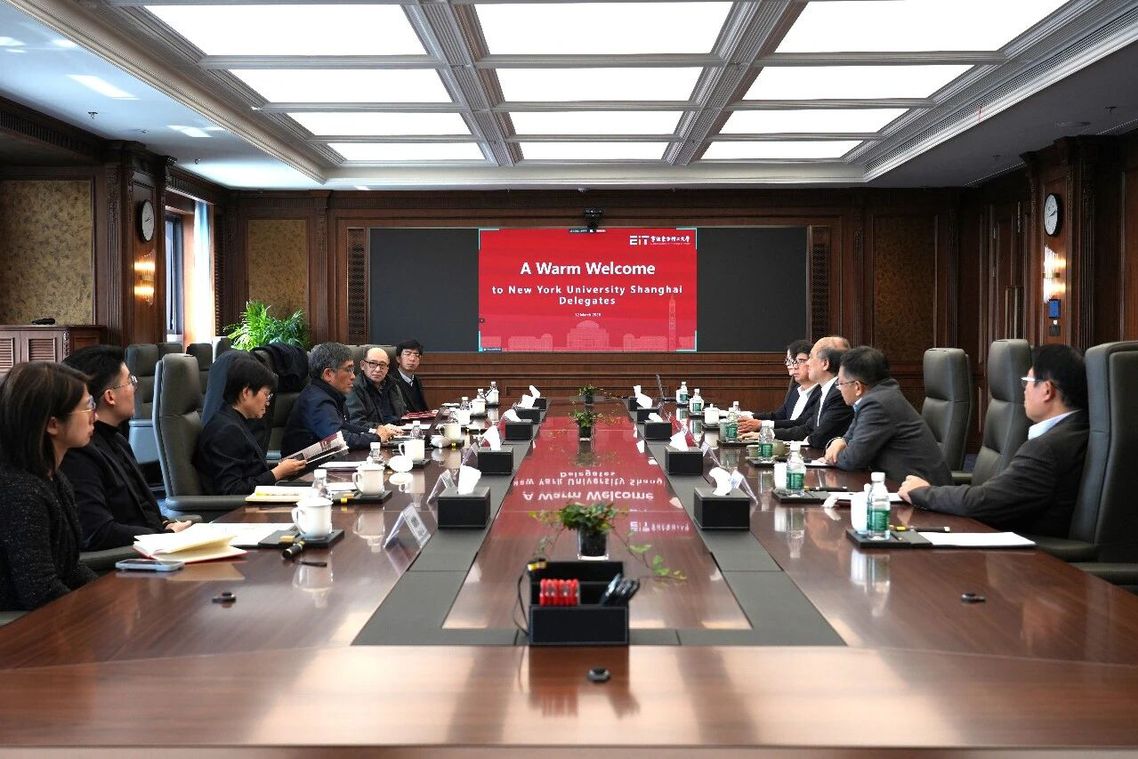
In March, EIT signed of a deepened cooperation agreement with the University of Pisa (Italy), reinforcing EIT's ties with leading European institutions, advancing joint academic programs, and energizing research collaboration between China and Italy.
During April, EIT co-organized with the Ningbo Education Bureau the 2025 China (Ningbo) - Germany Young Scholars Networking Event. The event provided a platform for scholars from both countries to present cutting-edge research, engage in thematic discussions, and visit local enterprises, strengthening transcontinental academic dialogue.
In August, agreements on undergraduate exchange and joint PhD training were formalized with Leiden University (Netherlands), outlining a shared commitment to expand and deepen educational cooperation.
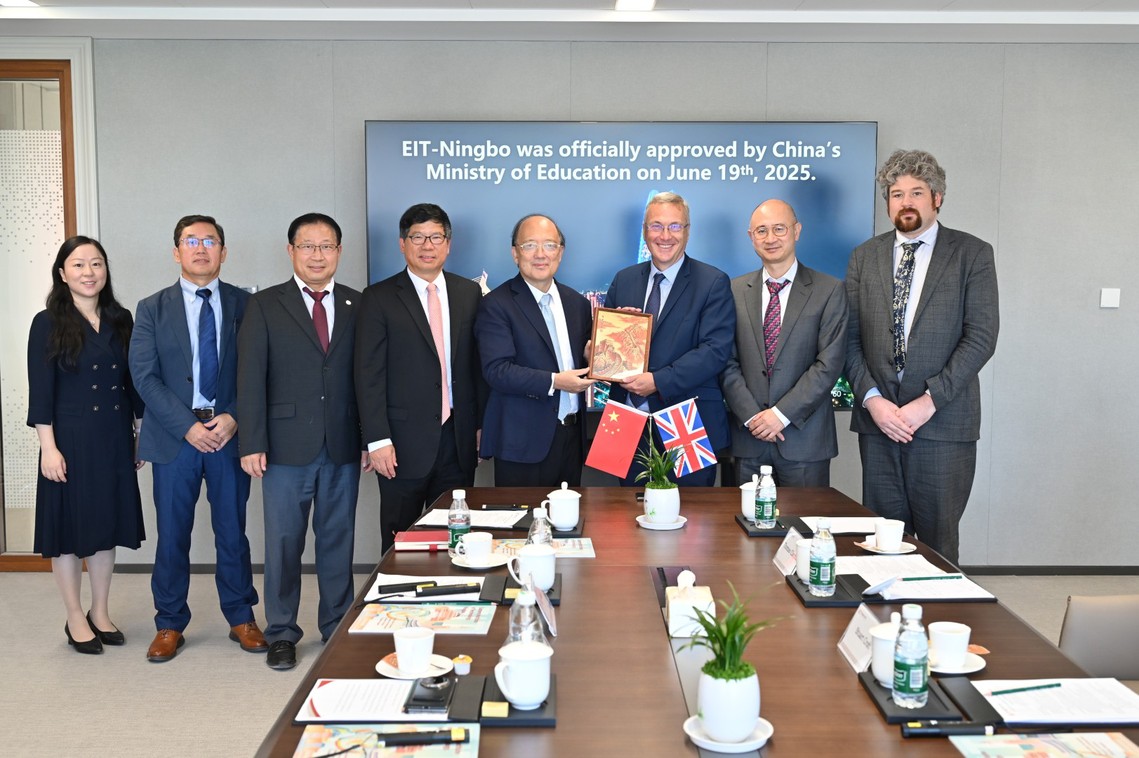
The President of the University of Warwick (UK) visited EIT in September. This partnership, which launched a joint doctoral training program in 2024, welcomed its first cohort in autumn 2025, marking early tangible outcomes.
October featured the signing of a strategic cooperation agreement with King Abdullah University of Science and Technology (KAUST) in Saudi Arabia, targeting interdisciplinary collaboration in fields such as clean energy. That same month, President Shiyi Chen visited the National University of Singapore (NUS), holding talks with its leadership to further mutual cooperation.
Keywords Ten: Philanthropic Support
EIT has continued to benefit from growing philanthropic commitment, driven by a shared belief in education and community stewardship.
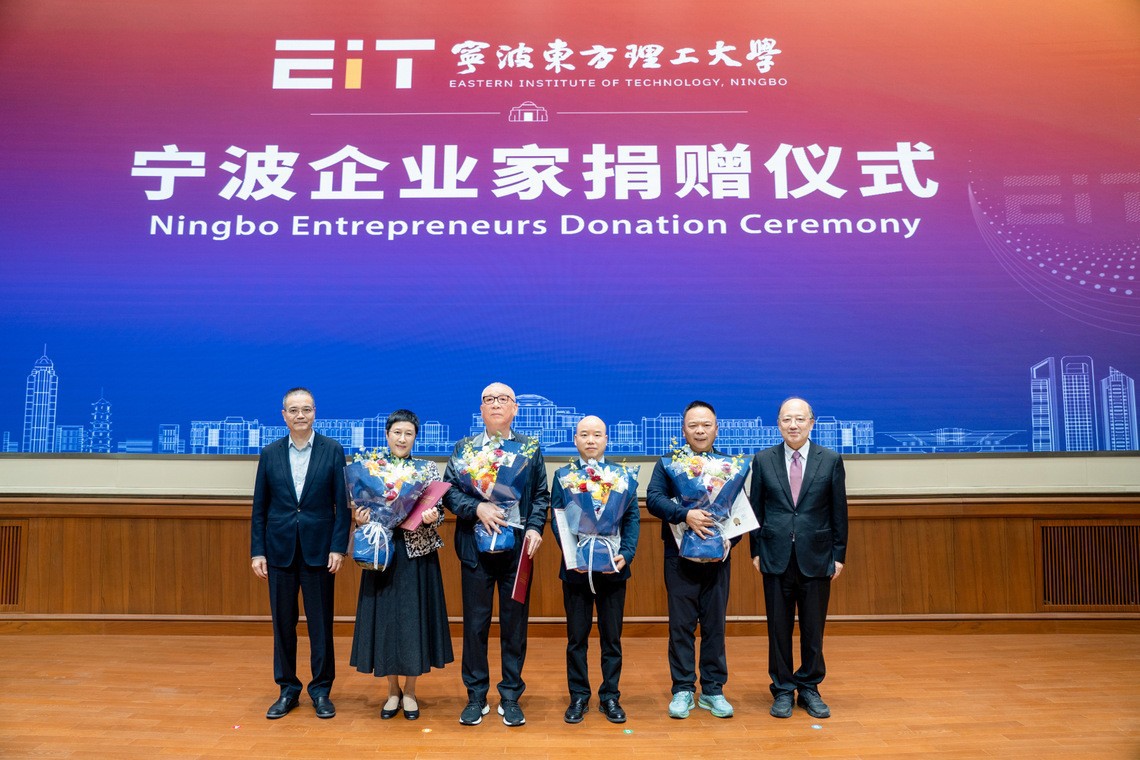
In 2025, giving to the university gained notable momentum with the support of philanthropic leaders. A joint donation ceremony in November recognized the contributions of entrepreneurs Lihong Gong, Chunyuan Xu, Punan Xu, and Jianrong Ma. On November 30, the Youngor Library—named for donor Rucheng Li—was formally inaugurated. Throughout the year, alongside the foundational giving of Mr. Renrong Yu, numerous other entrepreneurs such as Dayi Yang, Qiang Liu, Hailiang Jin, Huabo Cai, and Weiyue Jiang, as well as several respected corporations, made generous contributions in support of the university's growth.
All donated funds are directed toward institutional priorities including academic development, talent cultivation, research innovation, and educational enrichment. Today, campus landmarks such as the Zheng Jian & Gong Lihong Building, the Safewell Building, and the Youngor Library reflect this generosity, while initiatives like the Chunyuan Lighthouse Teaching Award and the Shenzhou Business School actively foster learning and development. This broad-based philanthropic partnership provides consistent, vital momentum for EIT's pursuit of excellence.