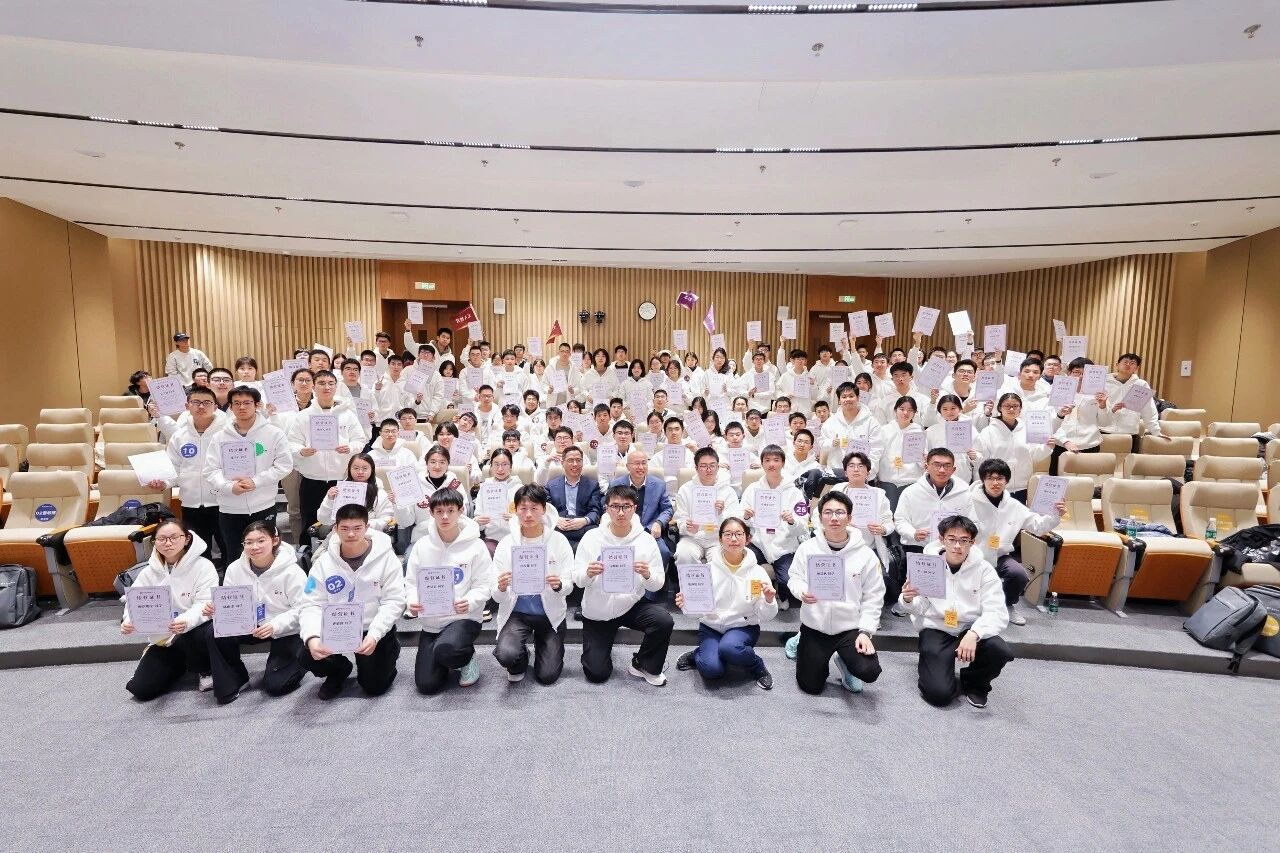
From February 7 to 8, the Eastern Institute of Technology, Ningbo (EIT) launched its inaugural Winter Camp. 105 science-enthusiast students, united by a spirit of exploration, gathered at EIT for a rendezvous with the future. The camp featured four specialized tracks—Physics & Mathematics, Unmanned Aerial Vehicle, Chip, and Artificial Intelligence—offering participants an immersive experience into the allure of science.
The Four Tracks
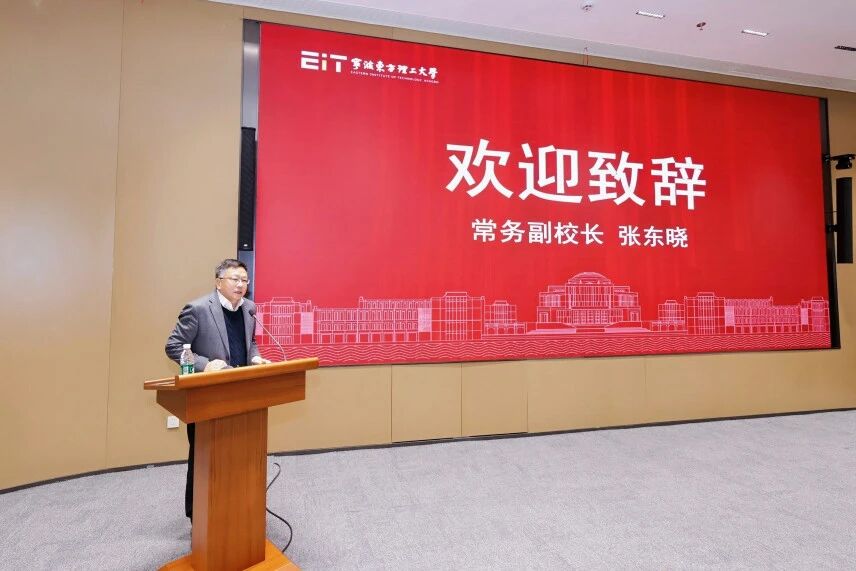
Address by Dongxiao Zhang, Executive Vice President and Provost
"The EIT Winter Camp commences now!" With this spirited announcement by Executive Vice President and Provost Dongxiao Zhang, the four sessions kicked off.
Physics & Mathematics Track
In the first lecture of the Physics & Mathematics Track, a seemingly simple yet profound question—"How do airplanes fly?"—served as a gateway into the intersection of physics and engineering. Associate Professor Wu Li connected core concepts of university physics, guiding students through humanity's journey of turning dreams into the reality of soaring through the skies.
During the hands-on lab, students, under the guidance of Assistant Professor Junwei and Wang his team, operated underwater robots to complete tasks such as "pylon turning" and "stationary hovering." Through practice, they experienced physics as technology in motion.
Unmanned Aerial Vehicle Track
In the Unmanned Aerial Vehicle Track, Assistant Professor Hanbo Jiang and his team used a propeller mechanics demonstration system to bring Newton's laws to life—helping students intuitively grasp principles like action-reaction and how changes in momentum generate thrust, all through the spectacle of flight.
"A little more care, and the drone you're building from scratch will take off." Under the guidance of Baojian Chai, an engineer on Assistant Professor Hanbo Jiang's team, students assembled quadcopter drones from the ground up, ultimately achieving successful takeoff.
Chip Track
"What marvels can emerge from a grain of sand?" The Chip Track began with the fascinating journey from sand to microchip. Associate Professor Li Wang introduced students to the "past and present" of chips and led them through a VR experience, offering a "virtual visit" to a chip fabrication site.
In the lab, guided by Teaching Assistant Professor Xiao Tan and his team, participants built circuits to create "breathing" and "water-flow" effects with LED lights.
Artificial Intelligence Track
"Computer vision is enabling machines to ‘see’ and ‘understand’." In the Artificial Intelligent Track, Assistant Professor Xin Jin introduced students to computer vision technologies and their applications in the AI era, guiding them through an immersive exploration from theory to practice. Lively discussions ensued on cutting-edge applications such as facial recognition and defect detection. Through experimentation, students transformed textbook knowledge into tangible outcomes.
Assistant Professor Wei Zhang and his team led a hands-on session with robotic dogs. Ziwei Li, a student from Taizhou No.1 High School, and her team quickly adjusted parameters to optimize the robotic dog's navigation route, securing first place in the competition.
Interviews with Participants and Instructors
The seeds of curiosity planted at the Winter Camp have already begun to spark. The two-day experience may have come to an end, but the journey of discovery is far from over.
Jingxuan Zhang: Physics & Mathematics Track Participant
Q1: What surprised you most about this Winter Camp?
A1: I joined the Physics & Mathematics track out of interest, but the lectures gave me a newfound sense of thoughtful reflection. The two-day experience made me realize that what truly draws people to basic research is the enduring curiosity and the drive to dig deeper.
Beyond the awe-inspiring beauty of the campus, the emphasis on physical education truly resonated with me. EIT genuinely values sports—here, academicians and professors lead by example, fostering strong teacher-student bonds through athletic activities.
Ziwei Li:AI Track Participant
Q2: What was the key to your team's victory in the robotic dog competition?
A2: During the AI track, instructors tasked us with deploying AI algorithms on robotic dogs for local navigation. We had to tweak parameters, observe, and debug to make the robotic dog smarter and faster in reaching its destination. Our goal was to navigate around multiple obstacles. By fine-tuning the parameters, we enabled the robotic dog to complete the navigation task with an optimal route, winning the team championship.
Li Wang: Chip Track Instructor
Q3: What is your take on the students' understanding of chips?
A3: The depth and breadth of the students' knowledge about chips exceeded my expectations, and the questions they raised were highly professional. Winter camps serve as a crucial bridge between high school and university, allowing students to enter higher education with confidence and ease, make informed choices about colleges and majors, and better discover their true passions.
Baojian Chai:Unmanned Aerial Vehicle Track Instructor
Q4: Why did you design the "build-your-own-drone" lab?
A4: Initially, I was concerned that students might struggle to complete the task. However, their performance exceeded expectations—several demonstrated remarkable comprehension and hands-on skills. By incorporating drone assembly experiments, we aimed to give students a deeper understanding of the diverse paths available in the world, helping them make more informed decisions about their future academic and career pursuits.
Zhongchao Tan: Vice Provost and Director of Academic Affairs
Q5: Why was such a strong emphasis placed on hands-on activities during the camp?
A5: As EIT's inaugural Winter Camp, this event integrated extensive hands-on practice and interactive small-group instruction. The two-day program condensed key aspects of university life and learning. It was not only an opportunity to showcase EIT's educational philosophy to parents and students but also a test of the innovative educational models and talent cultivation strategies of a new type of research university.
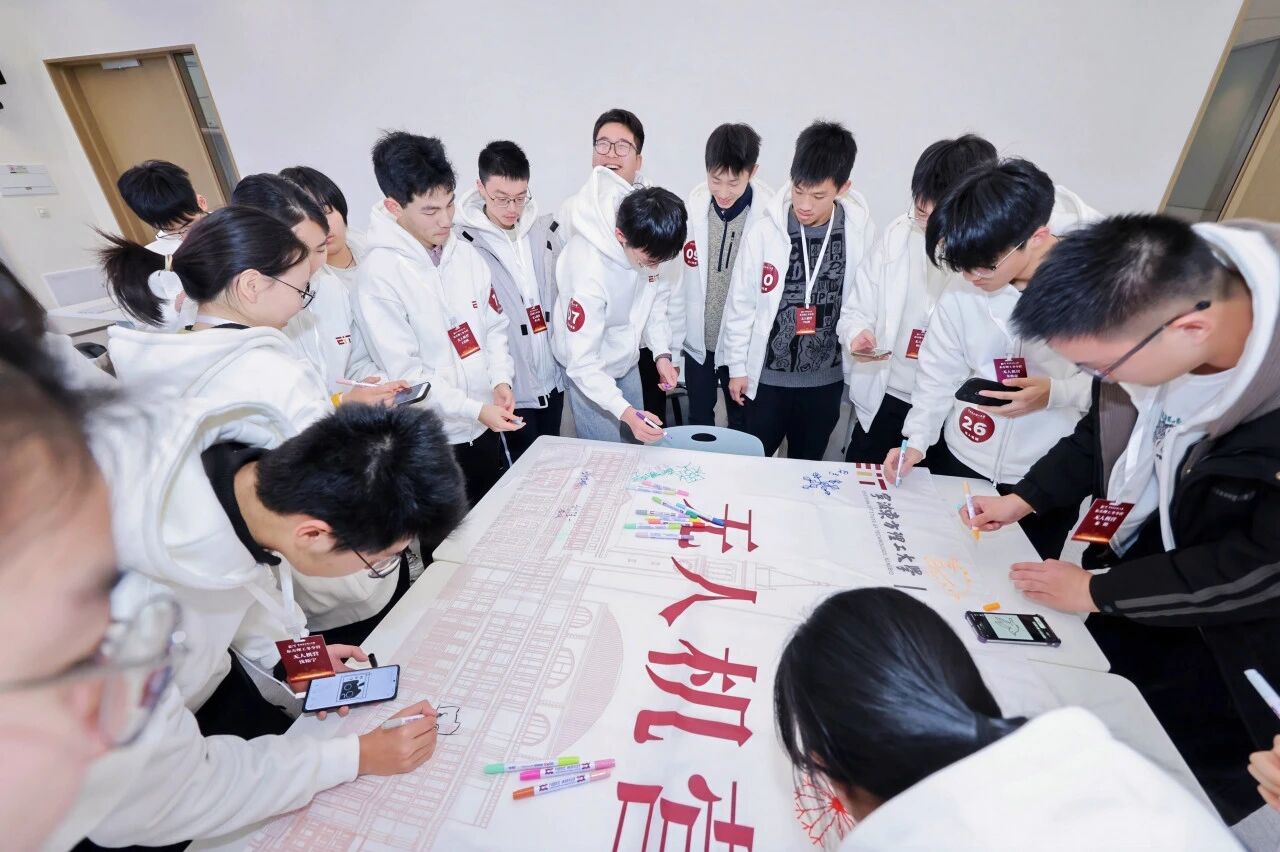
Icebreaking activity at the Unmanned Aerial Vehicle Track.
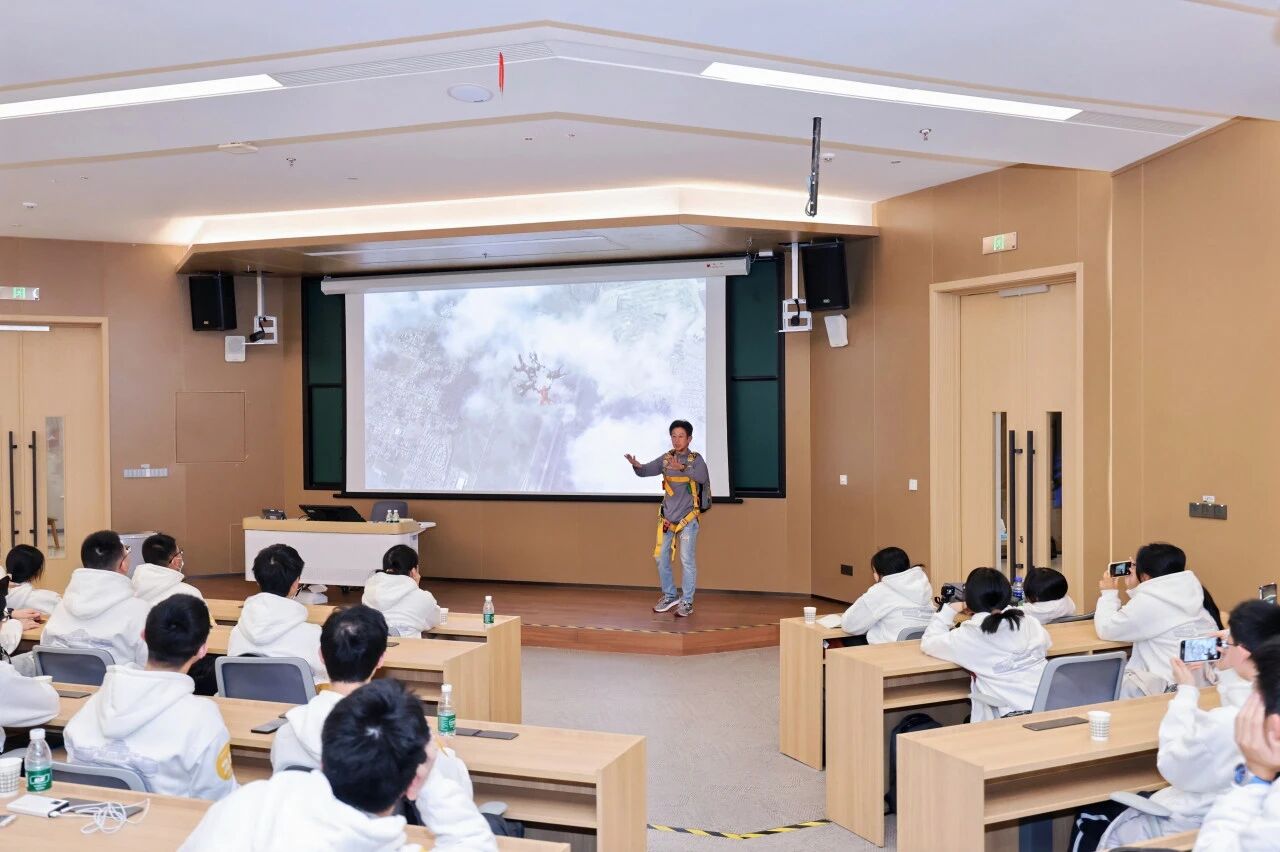
Ming Zhou, Member of the U.S. National Academy of Engineering and Dean of the College of Engineering at EIT, delivers a career planning lecture.
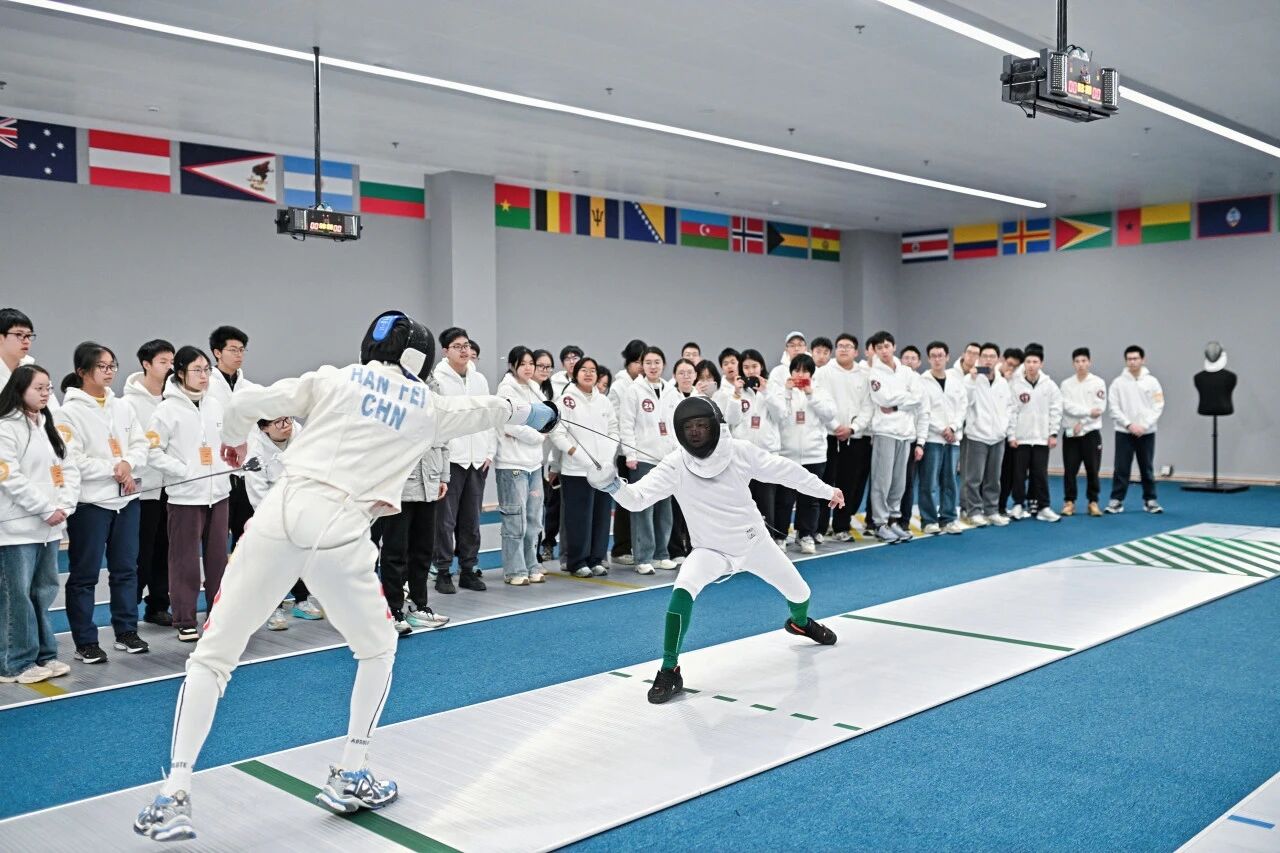
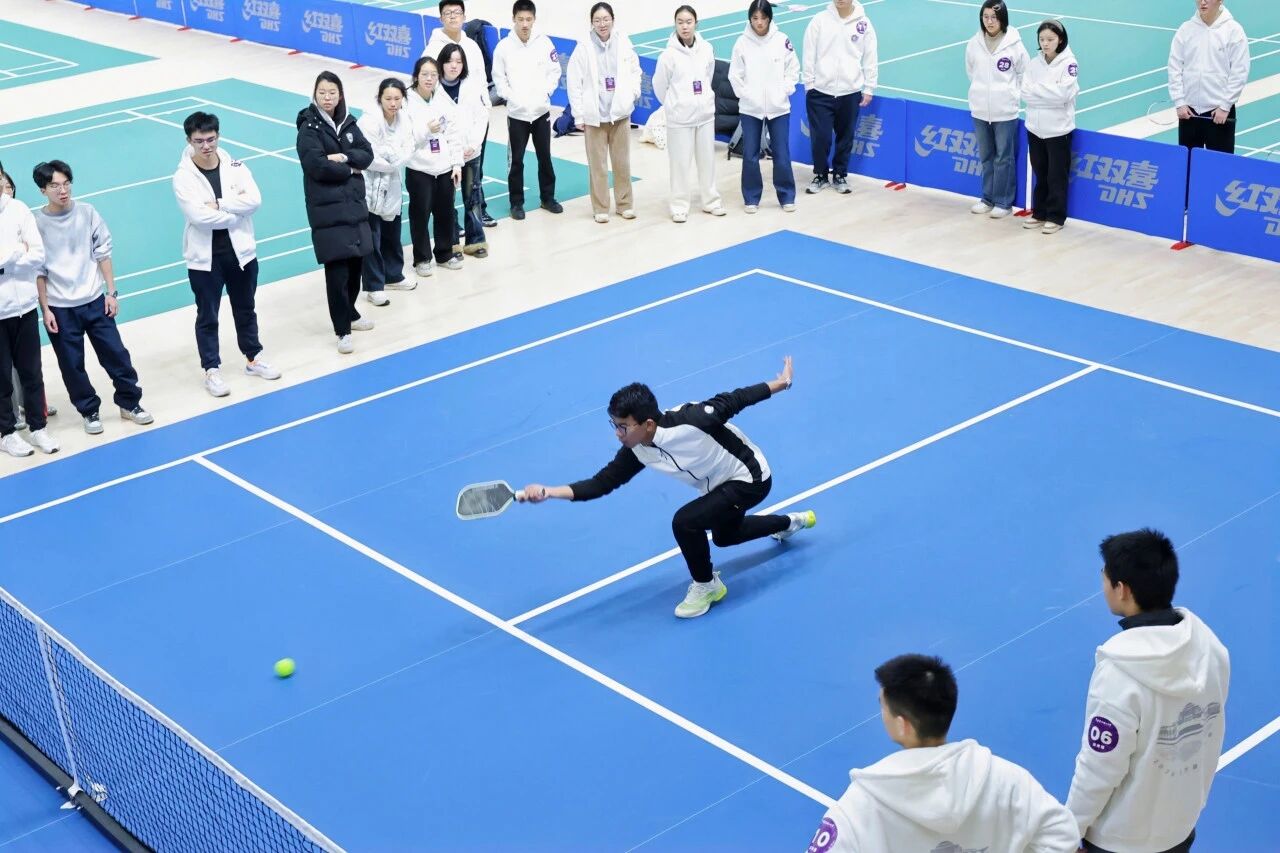
Students experience sports such as fencing and pickleball.
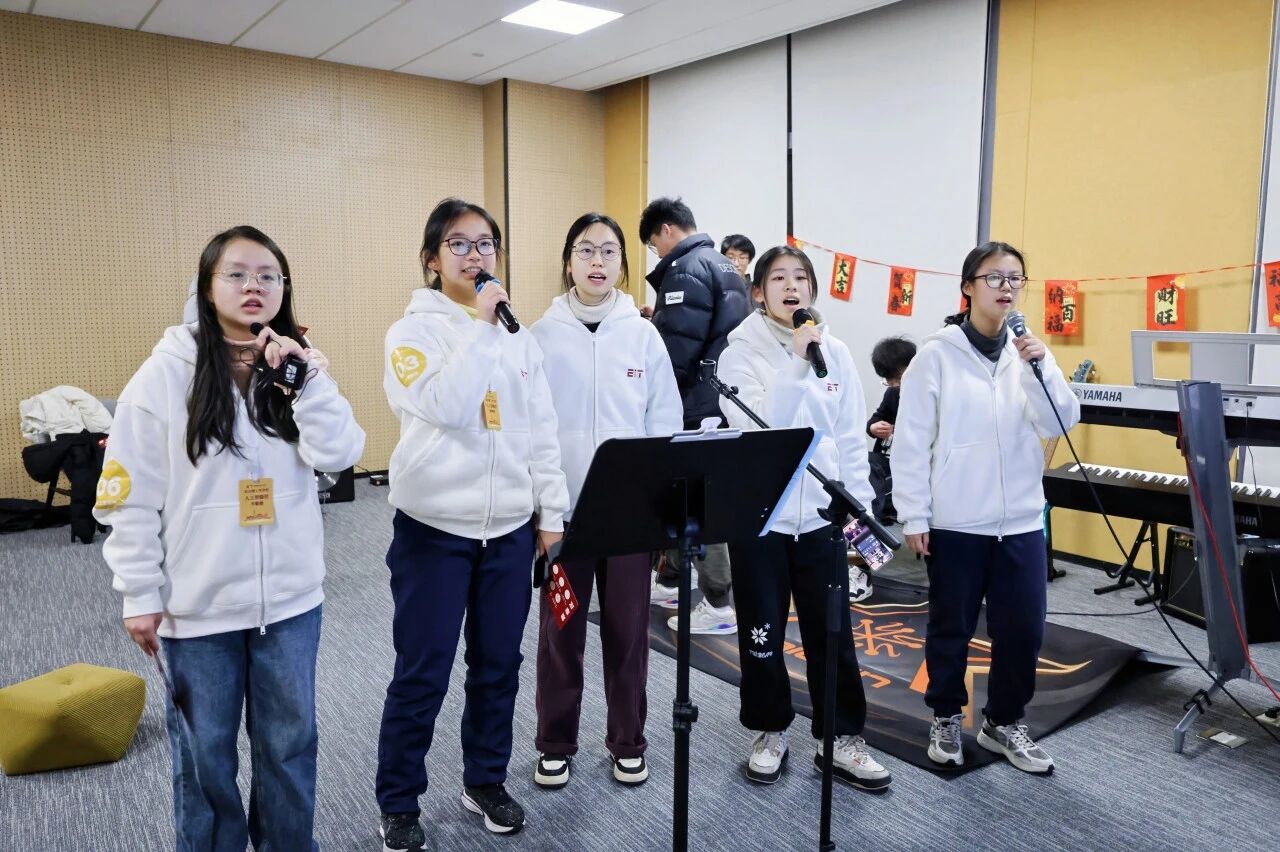
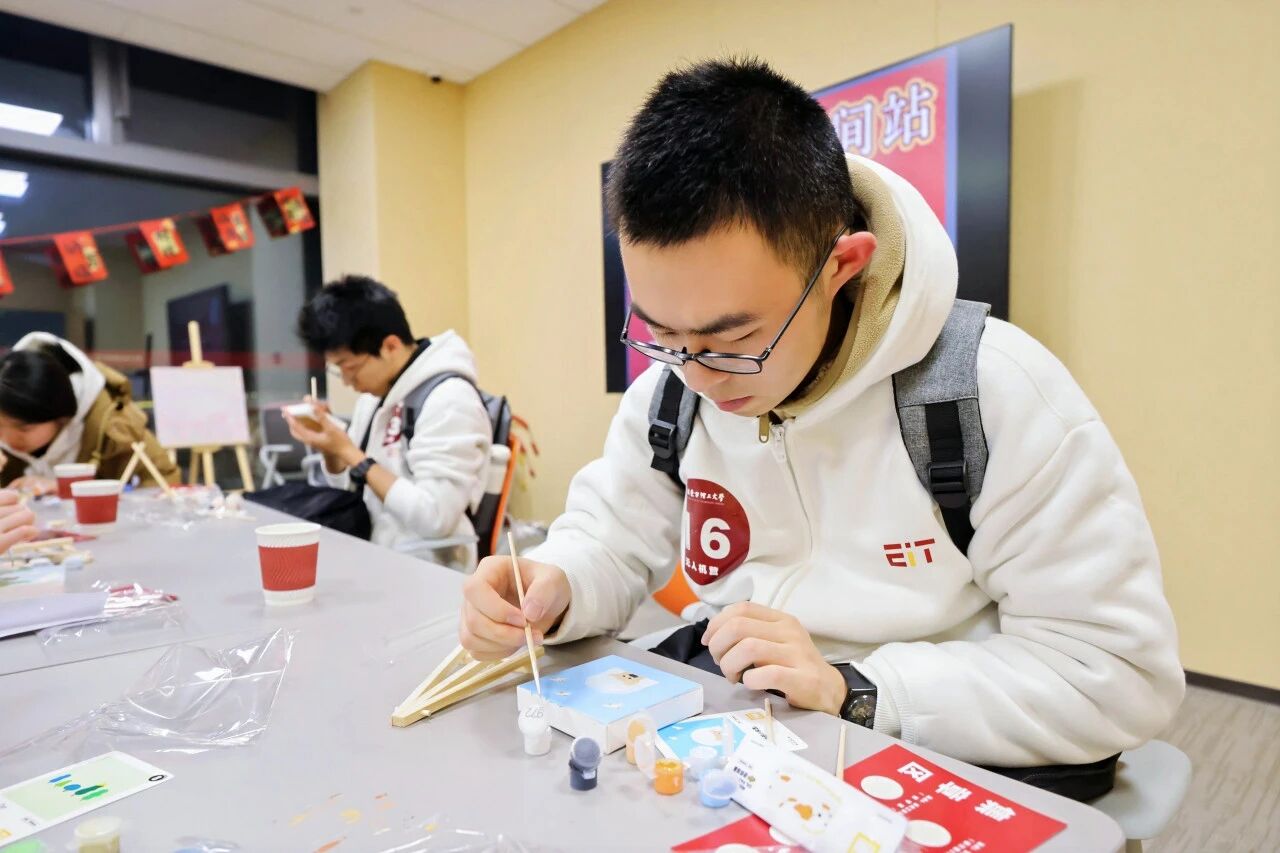
Students take part in residential college activities.
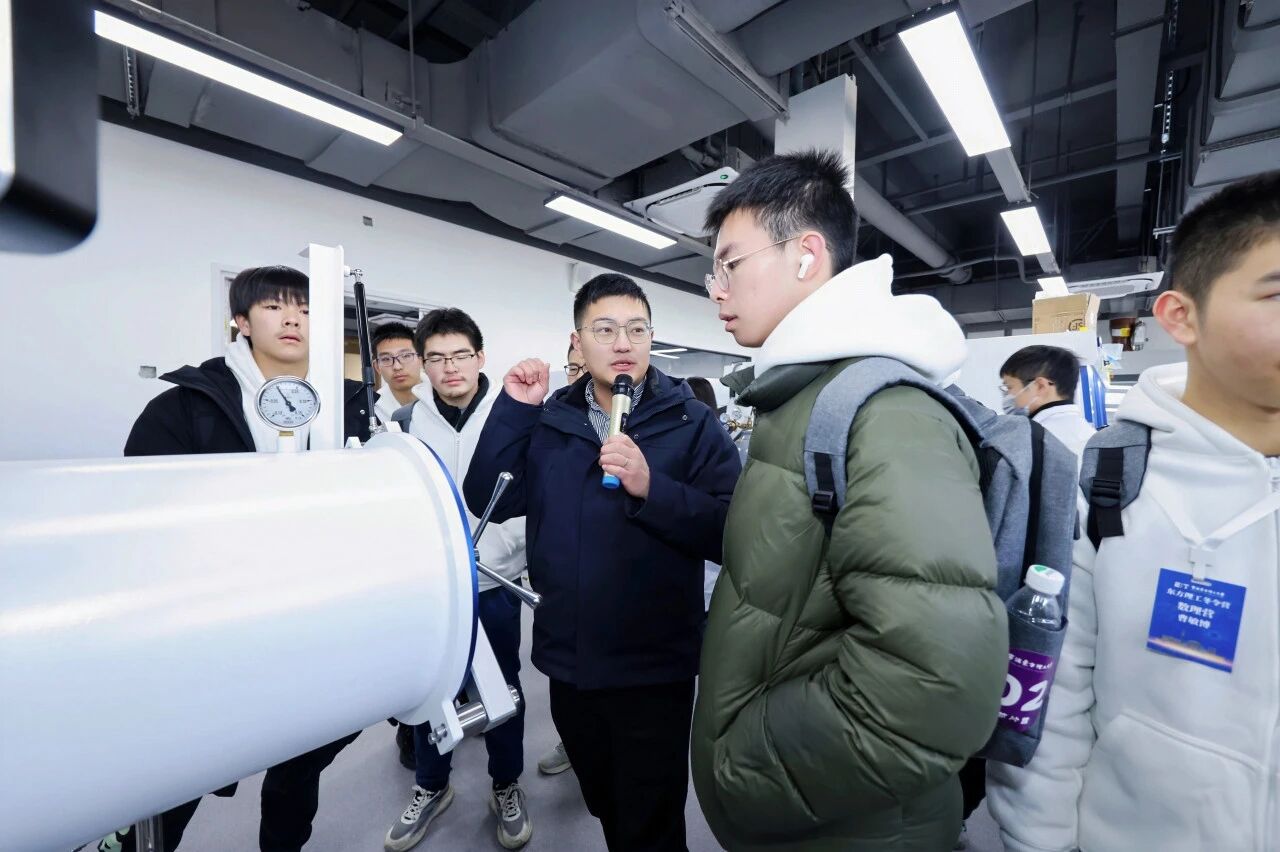
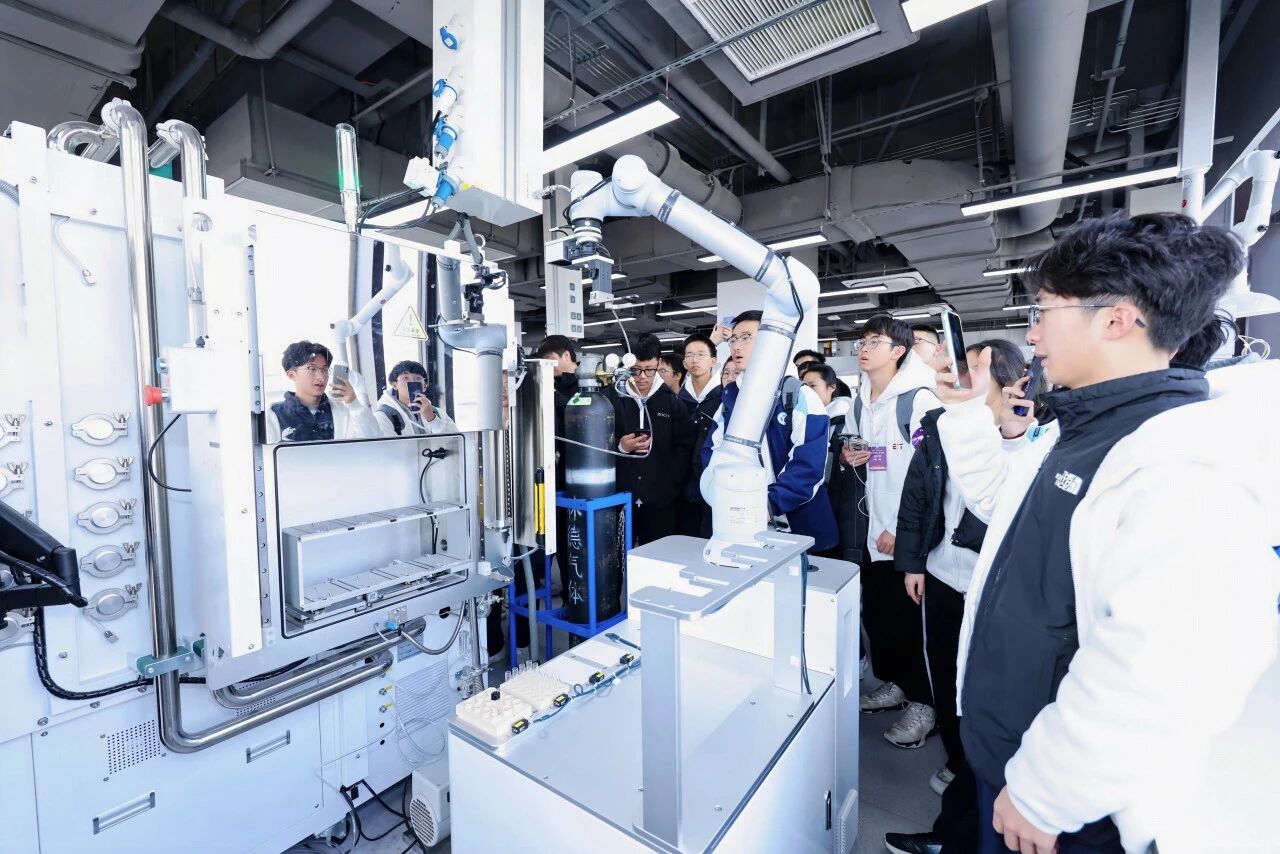
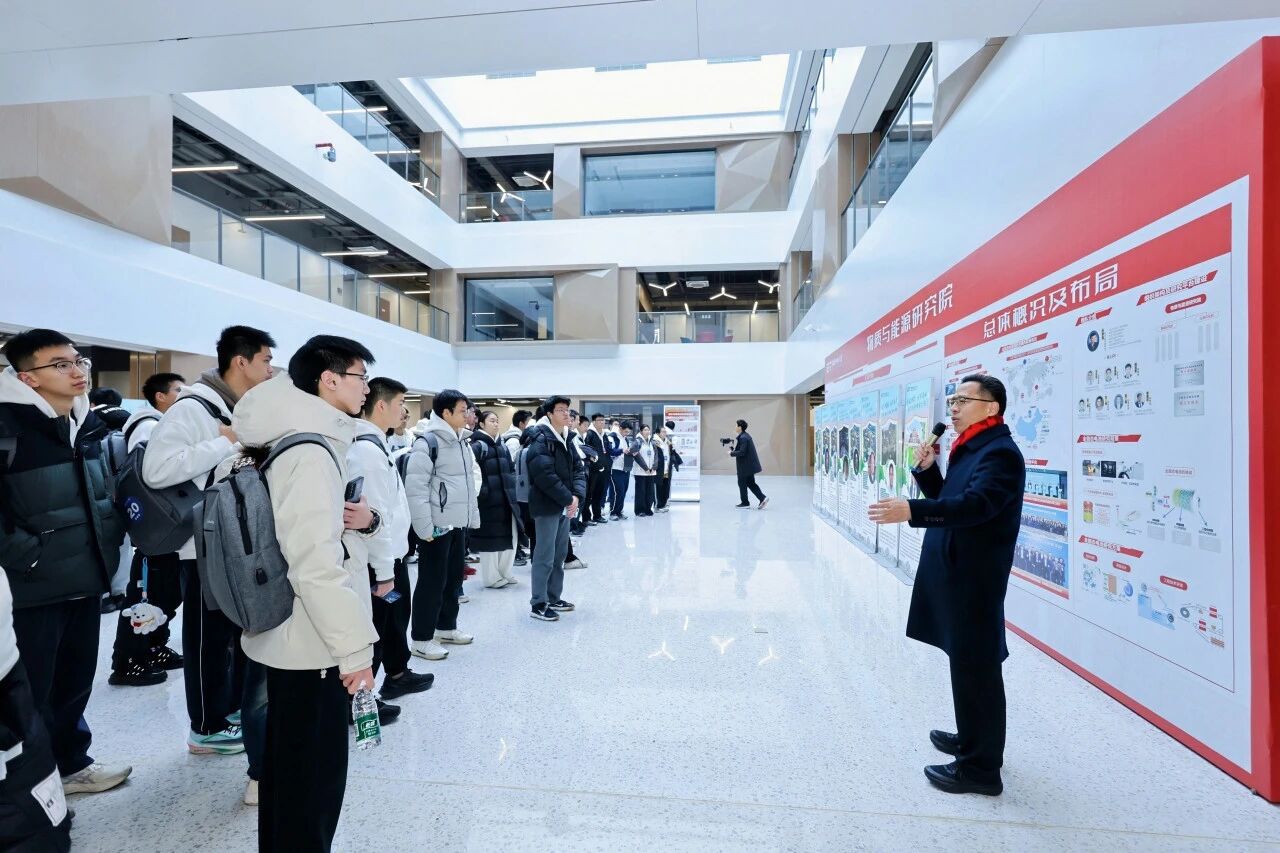
Students tour the AI and Automated Chemistry Laboratory and the All-Solid-State Battery Laboratory.
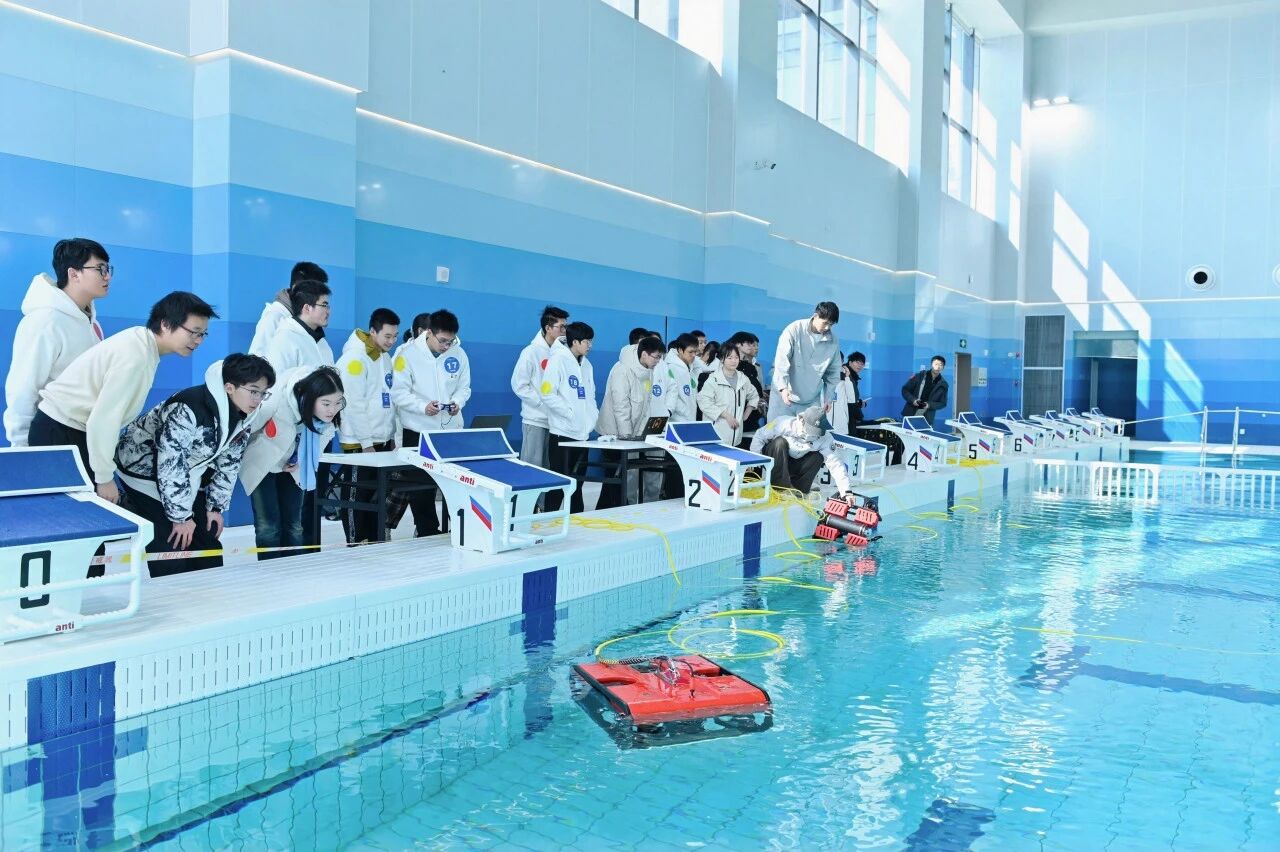
Physics & Mathematics Track students operate underwater robots to complete "pylon turning" and "stationary hovering" tasks.
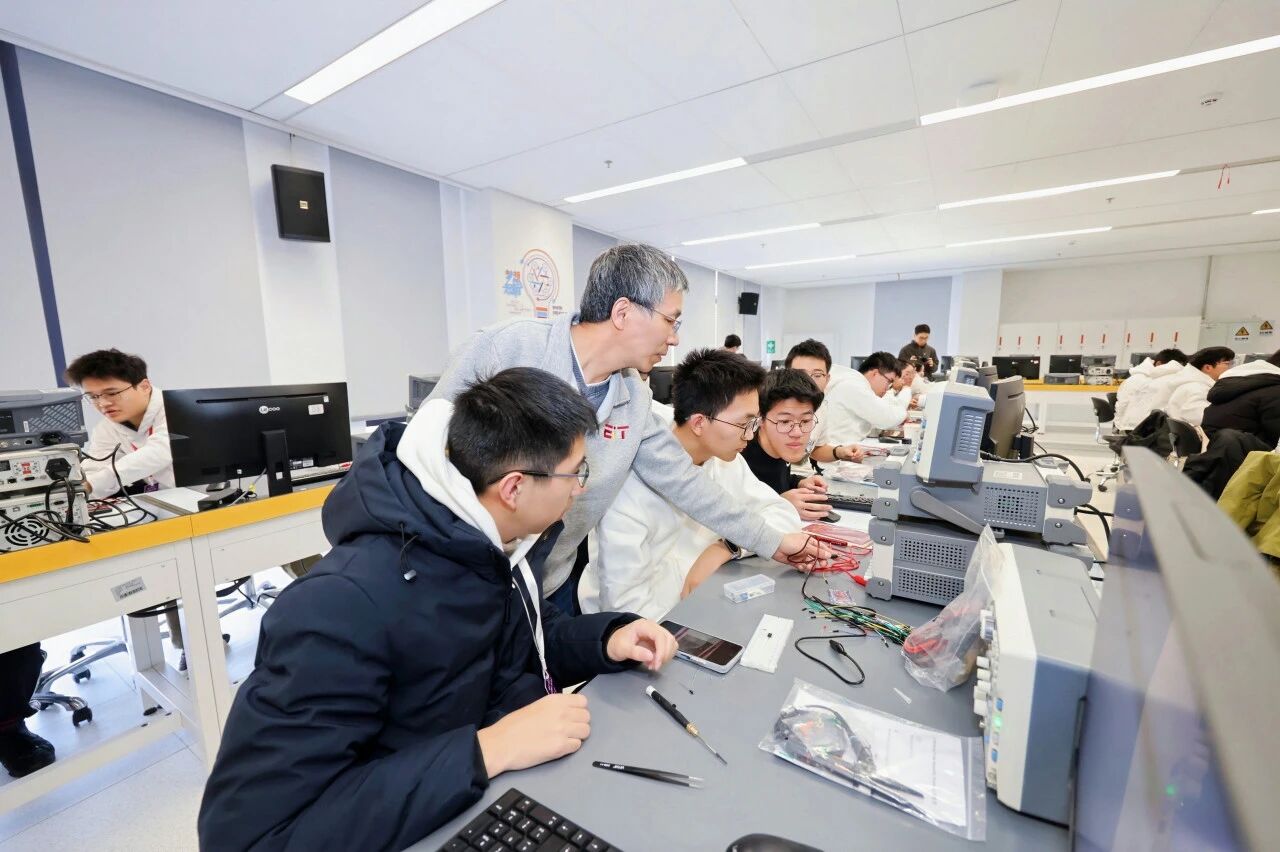
Chip Track students build circuits to create "breathing" and "water-flow" LED effects.
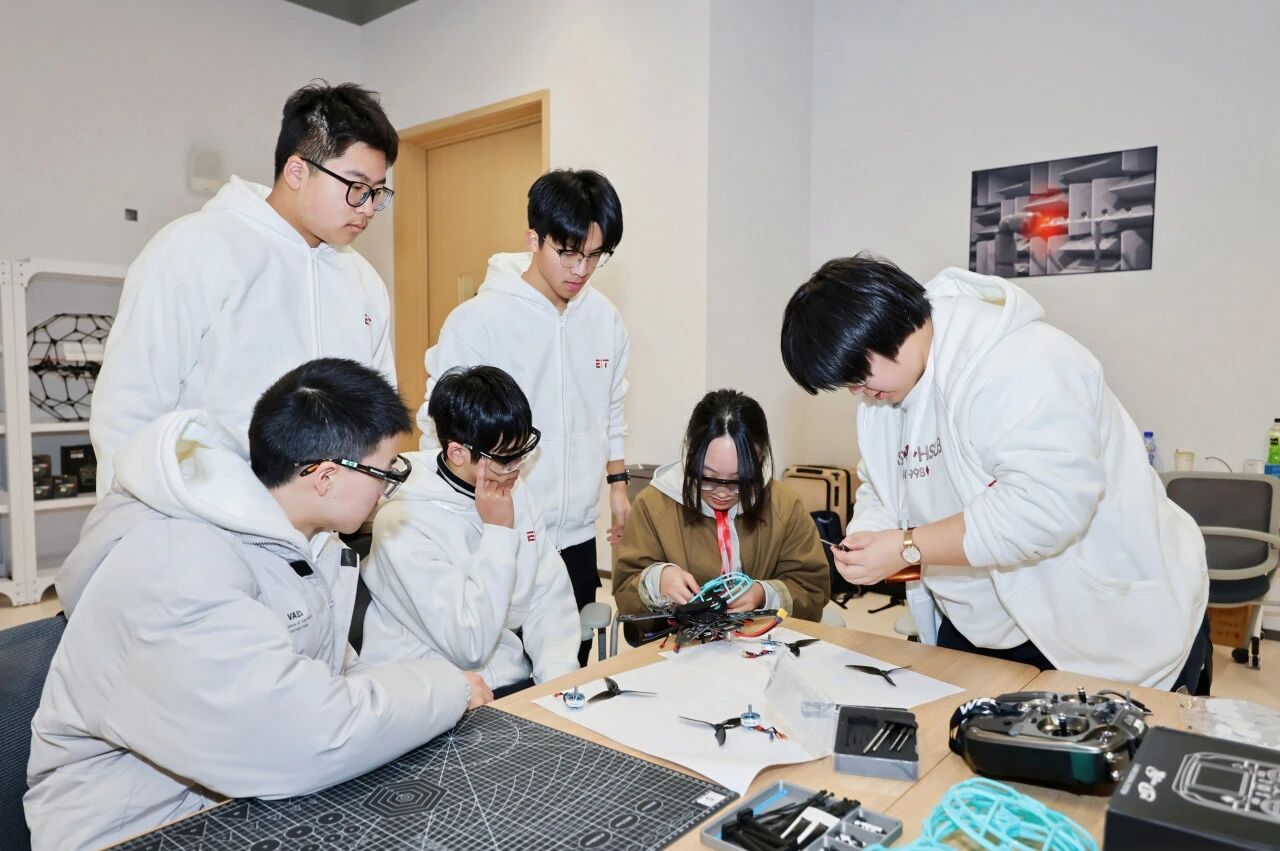
Unmanned Aerial Vehicle Ttrack students assemble quadcopter drones.
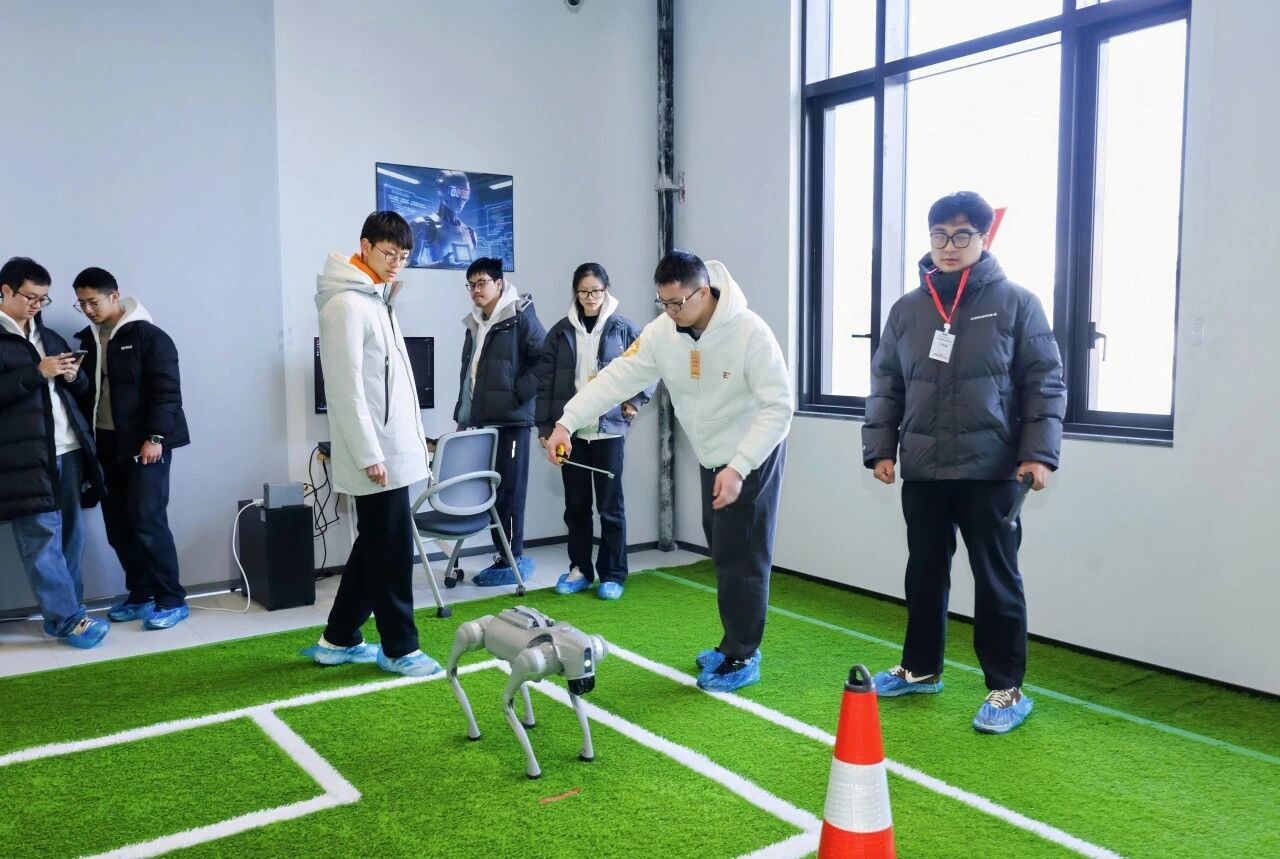
Artificial Intelligent Track students deploy AI algorithms on robotic dogs for local navigation.
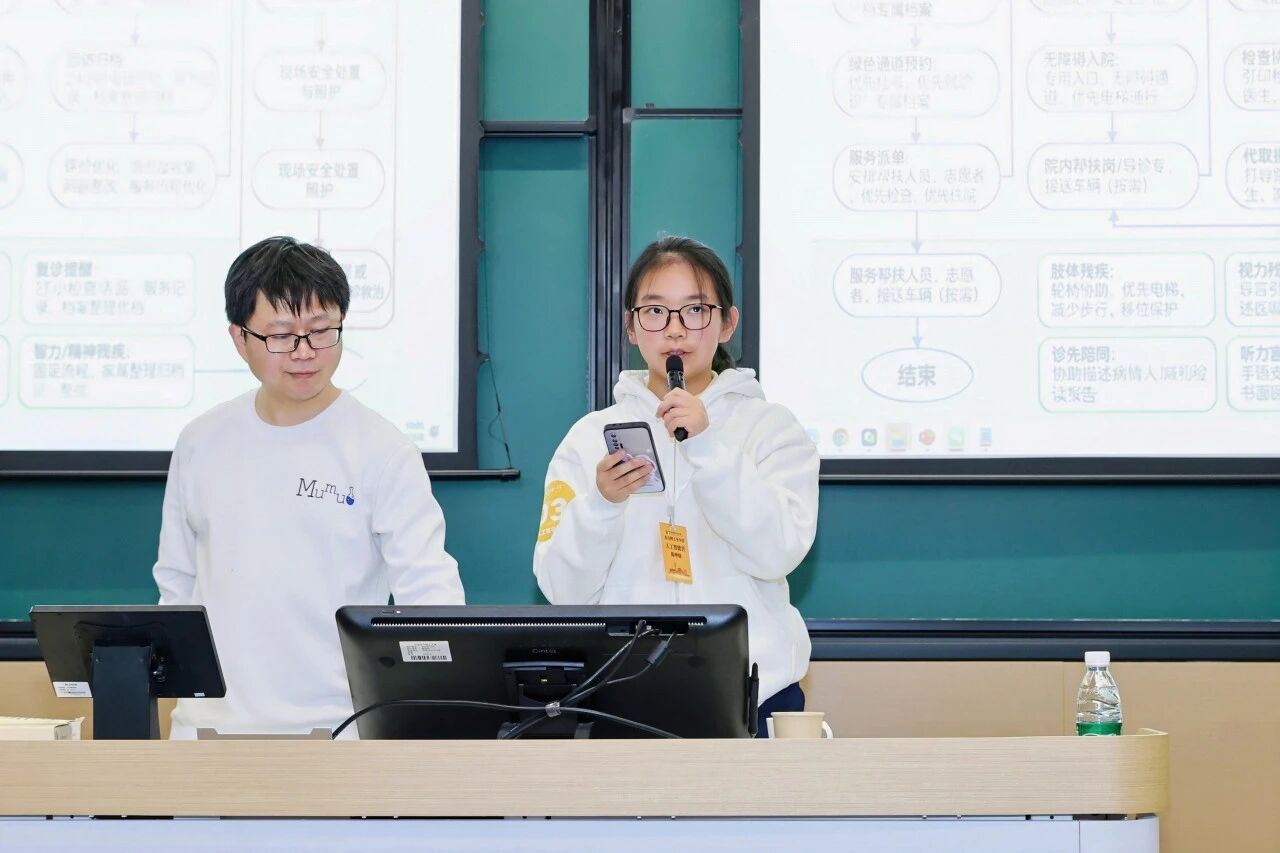
Students learn prompt engineering to generate AI-powered news summaries and engage in creative writing.
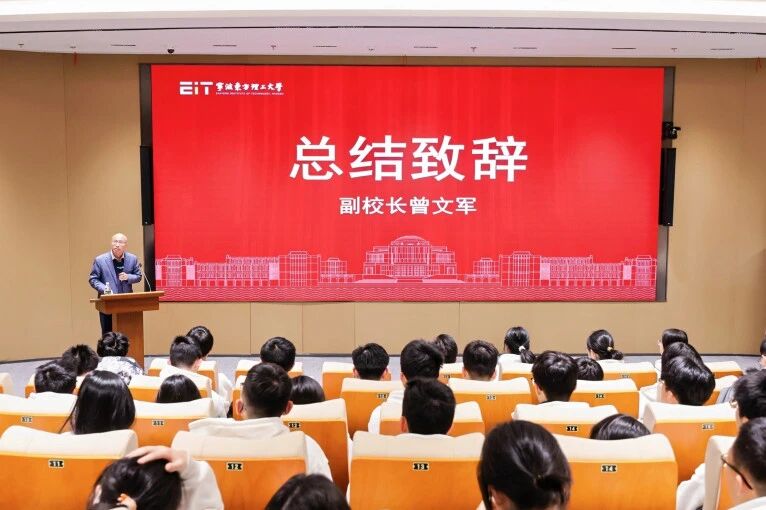
Wenjun Zeng,Vice President of EIT delivers closing remarks at the certificate ceremony.
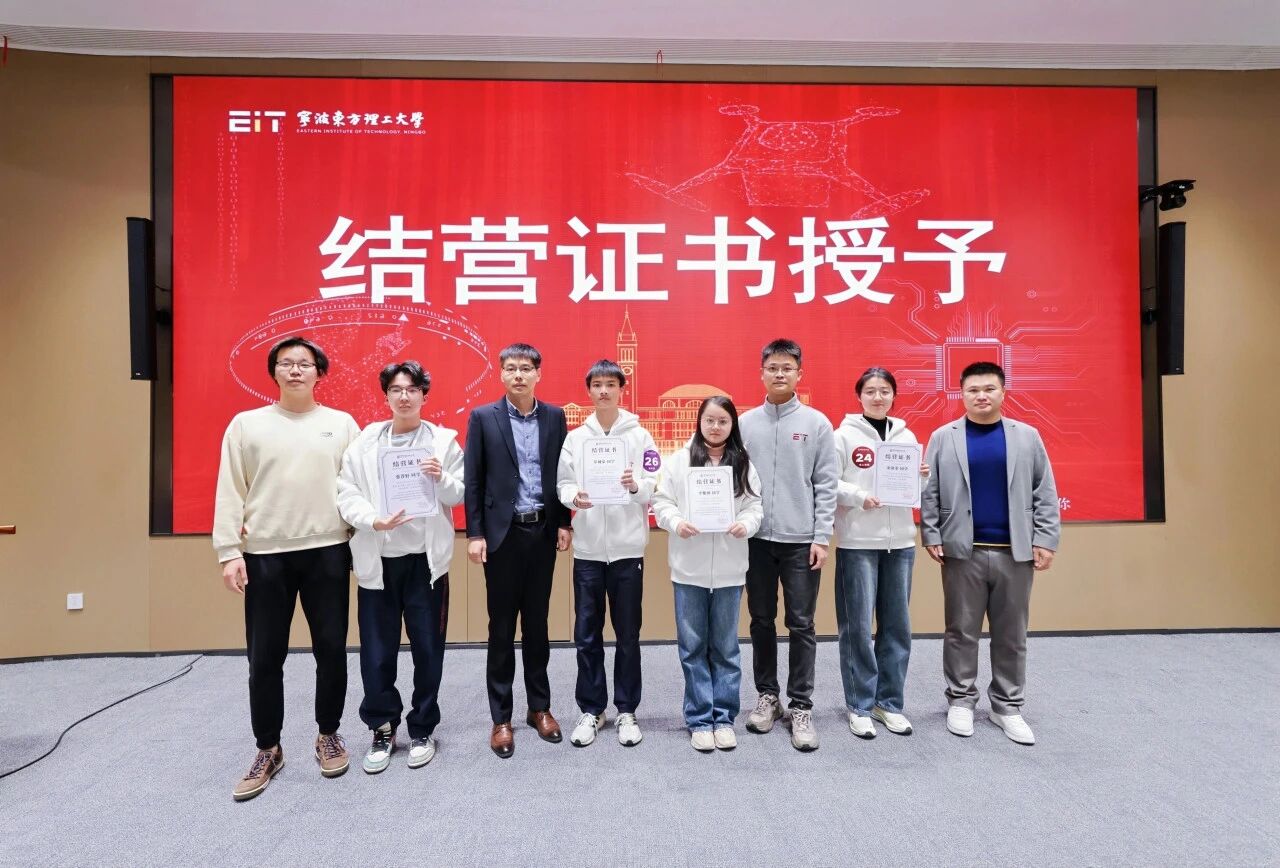
Participants receive their Winter Camp completion certificates.